







Nigeria’s growing battle against fake product and substandard consumer goods has taken another worrying turn, with doctors, consumers and industry stakeholders raising concerns about the health and economic consequences of products that may look genuine but allegedly have very different stories hiding inside their packaging. From toothpaste and cosmetics to bottled water, yoghurt drinks and medicines, the growing public conversation has left Nigerians facing an increasingly uncomfortable question: when did buying an ordinary household product become an undercover investigation?
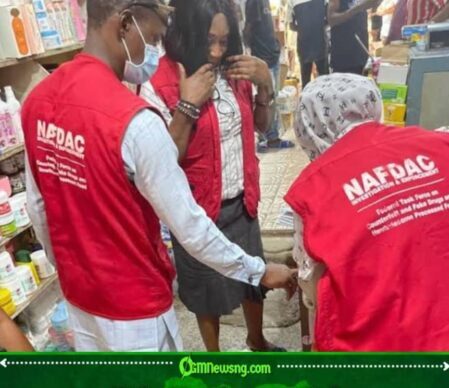
The latest alarm follows a surge in public discussion over suspected fake consumer goods, with health advocate Dr Chinonso Egemba, popularly known as Aproko Doctor, calling for stronger regulation and arguing that ordinary consumers should not be expected to become food scientists, pharmacists, chemists and product inspectors simply to purchase everyday necessities. The concern comes against a wider regulatory backdrop: NAFDAC has continued its enforcement campaign against substandard and falsified products, while the FCCPC recently warned businesses over goods carrying misleading, incomplete or deceptive labels.
Fake Products Turn Everyday Shopping Into Detective Work
The public-health danger is the most serious part of the controversy. A consumer buying toothpaste should ordinarily be worrying about dental hygiene, not whether the contents have secretly changed careers and become something else. Likewise, bottled water should ideally require a bottle and water — not investigative journalism, laboratory equipment and a personal relationship with a regulator before consumption.
Regulators have repeatedly warned about unsafe and unregistered products. NAFDAC’s current systems allow consumers to verify registered products and report suspected falsified or substandard medicines, while the agency’s strategic plan specifically identifies substandard and falsified medicines, unwholesome foods and other regulated products as enforcement priorities. In June, NAFDAC also warned companies involved in shipping and logistics that they could face sanctions if they facilitate the movement of counterfeit products into Nigeria.
Doctors Raise Alarm Over Rising Fake Products in Nigeria
Beyond the health implications, fake products are putting pressure on legitimate manufacturers whose businesses must compete against goods that may avoid the same regulatory, production and quality-control costs. Industry losses can therefore become a second victim of the counterfeit trade, alongside consumers who may unknowingly purchase unsafe products.
The scale of enforcement activity illustrates why the issue has become difficult to dismiss as mere market gossip. NAFDAC said in September that it had destroyed or seized more than ₦1.54 trillion worth of fake and substandard regulated products nationwide since 2023. Separately, an analysis of the counterfeit problem in Nigeria has highlighted its broader consequences for economic stability, public safety and consumer confidence.
For consumers, the message is becoming increasingly straightforward: do not assume that attractive packaging automatically means authentic content. Nigerians should check labels, registration information, expiry dates and other identifying details and report suspicious products through the appropriate regulatory channels. The joke may be that Nigerians now need detective skills to buy toothpaste, but the underlying issue is no laughing matter. As enforcement agencies intensify their efforts and public pressure grows, OGM News NG will continue to monitor the counterfeit-product battle and bring readers further updates on who is making the fake goods, who is selling them and, most importantly, who is paying the real price.
Table of Contents
Discover more from OGM News NG
Subscribe to get the latest posts sent to your email.