
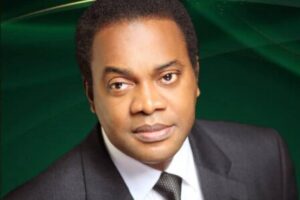





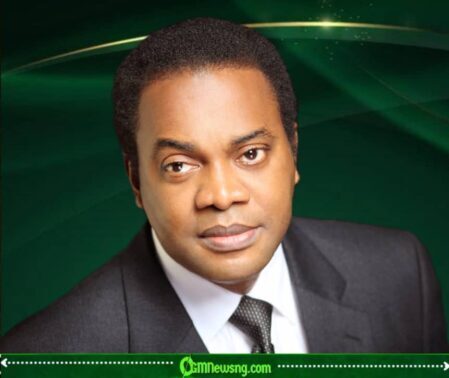
Former Cross River State governor and Peoples Redemption Party presidential candidate Donald Duke has stirred a fresh political storm after declaring that Nigerians were better off under military rule, arguing that the cost of civilian governance has become difficult to justify when many of the country’s old problems remain stubbornly alive.
Duke’s comment arrives as Nigeria approaches another major political season, when politicians are already competing to explain why the country has not yet become the promised land that campaign posters have advertised for decades. His argument has therefore reopened the uncomfortable national conversation about whether democracy is delivering enough practical benefits to ordinary citizens.
Donald Duke Drops Political Bombshell: Military Rule Was Better for Nigerians
Donald Duke’s central complaint is not simply about uniforms, barracks or soldiers giving orders. He is questioning the value Nigerians have received from an expensive political system since the country returned to civilian rule in 1999. In his assessment, citizens should judge democracy by their welfare and by the tangible “democracy dividends” reaching them, rather than merely celebrating the fact that elections take place.
And that is where the satire practically writes itself: after 27 years of democracy, Nigeria is still holding meetings about problems that have apparently refused to receive their retirement letters. Electricity, insecurity, unemployment, inflation, infrastructure and public-sector inefficiency remain regular features of national debate. Duke’s remarks effectively ask whether Nigerians should applaud the political process simply because the ballot box survived while the shopping basket is still complaining.
Democracy Gets Report Card as Donald Duke Says Military Era Was Better
Nigeria’s military era was hardly a peaceful political holiday. The country experienced prolonged periods of military government, including the regimes of Muhammadu Buhari, Ibrahim Babangida and Sani Abacha, before the 1999 return to civilian rule. Historical records describe periods in which constitutional institutions were suspended or weakened and military authorities exercised power through decrees.
So Duke’s nostalgia creates an awkward national question: if military rule was supposedly cheaper, what price should citizens attach to political freedom, accountable institutions and the right to change leaders through elections? Nigeria’s 1999 transition ended 16 consecutive years of military rule and began its longest uninterrupted period of civilian government since independence. The joke, therefore, may not be that democracy has problems; the bigger joke would be pretending that the solution is automatically to reopen a chapter of history that Nigerians once worked hard to close.
For now, Duke’s intervention has added another provocative voice to Nigeria’s growing debate about the performance of democracy. Whether Nigerians ultimately agree with his diagnosis or reject his prescription, the argument is unlikely to disappear quietly—especially as politicians prepare for the battles ahead. OGM News NG will continue watching the conversation, because if Nigeria’s democracy is now being asked to submit its report card, citizens may want to see who is marking the examination and what grade they intend to give it.
Table of Contents
Discover more from OGM News NG
Subscribe to get the latest posts sent to your email.