
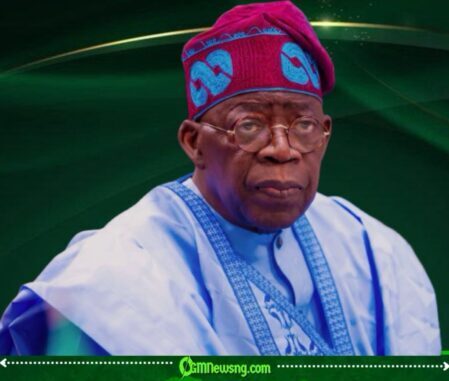
Nigeria’s opposition political space is preparing for another major test of political mathematics today as opposition parties and political actors converge on Abuja for a summit designed to explore how they can build a common front against President Bola Tinubu and the ruling All Progressives Congress (APC) ahead of the 2027 presidential election.
The summit, organised by the G-100 and led by political strategist Salihu Lukman, comes amid renewed calls for opposition unity, but also the familiar Nigerian political challenge: everybody appears to agree that unity is necessary, provided they are the person holding the microphone when the unity is announced. Recent reports indicate that the G-100 has been consulting several opposition parties and stakeholders, with the proposed cooperation framework expected to address how the parties can coordinate their interests ahead of 2027. (Primetimes)
Opposition Parties Meet in Abuja to Discuss 2027 Strategy Against Tinubu
The central argument behind the summit is straightforward: a fragmented opposition could struggle to defeat an incumbent with the organisational structure and financial advantages associated with a ruling party. The G-100 has therefore been pushing for a coordinated opposition strategy, including negotiations around a possible common political platform and, potentially, a consensus presidential candidate.
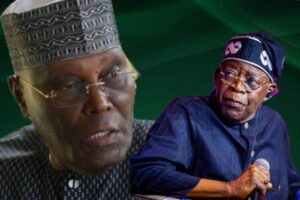
But beneath the language of cooperation lies the elephant in the conference room — who gets to lead? Previous efforts at opposition cooperation have demonstrated that political parties can agree on the need to defeat the ruling party while finding it considerably harder to agree on whose ambition should be placed on the national sacrifice table. Recent reporting has also highlighted resistance from camps associated with prominent opposition figures to the idea of surrendering individual presidential ambitions for a single candidate.
Abuja Summit Opens Talks on Oppositio Cooperation for 2027
The latest political drama has also produced conflicting reports over attendance. The supplied information says the Social Democratic Party (SDP) and Peoples Redemption Party (PRP) have confirmed participation while the Peoples Democratic Party (PDP) has ruled itself out. However, more recent reporting ahead of the August 31 summit has listed the PDP among parties involved in the broader G-100 consultations and, in some reports, among the expected participants. (Punch Newspapers)
That discrepancy may itself become part of the political suspense. The G-100 has previously said it consulted six opposition parties — including the African Democratic Congress (ADC), Allied Peoples Movement (APM), Nigeria Democratic Congress (NDC), PDP, PRP and SDP — while proposing a structured negotiation process involving specialised working groups. In other words, the opposition appears to have reached the stage where even deciding who is inside the room may require another meeting. (MetroNews)
The bigger question remains whether the opposition unity project can move beyond speeches, handshakes and carefully arranged group photographs into a practical electoral arrangement. With 2027 approaching, the G-100 is attempting to turn the argument for cooperation into an actual political structure, but competing ambitions, party identities and disagreements over a consensus candidate remain significant obstacles.
For now, Abuja is preparing for a political gathering where the opposition’s biggest enemy may not necessarily be the ruling party — it may be the inability of several political heavyweights to agree on who should sit in the driver’s seat. OGM News NG will continue to monitor the summit, the emerging alliances, the disagreements and the inevitable political plot twists as Nigeria’s oppositio parties attempt to turn unity from a campaign slogan into an electoral strategy.
Table of Contents
Discover more from OGM News NG
Subscribe to get the latest posts sent to your email.