




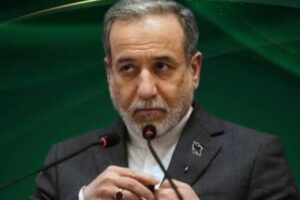





The Federal Government is once again putting a giant number on Nigeria’s electricity scoreboard, with Power Minister Joseph Olasunkanmi Tegbe target 6,000MW megawatts of available power by December 2026. The target is significant because Nigeria’s power sector has spent years producing ambitious promises alongside considerably less ambitious electricity. The Ministry of Power confirms Tegbe as the current minister, having assumed office in June 2026, while the government says its priorities include increasing generation, strengthening transmission and improving investment across the sector.
The Target 6,000MW Has Returned for Another Season
Tegbe’s target is not merely another figure pulled from the national calculator. A recent report said the minister reaffirmed the government’s determination to reach 6,000MW of available power by December 2026, with grid rehabilitation, the Siemens-backed Presidential Power Initiative, electricity-market reforms and tougher action against underperforming distribution companies among the measures being pursued.
But Nigerians may be forgiven if the announcement sounds strangely familiar. In 2024, the previous power minister, Adebayo Adelabu, also promised that generation would reach 6,000MW by December. That target was not achieved: a fact-check found that the country’s highest recorded peak at the end of that year was about 5,801.6MW. In other words, the 6,000MW bus had once again reached the bus stop but apparently decided not to pick anybody up.
Nigeria Targets 6,000MW, Generators Begin Updating Their CVs
The real challenge, however, is bigger than simply producing electricity. Nigeria’s power system must generate it, transmit it and distribute it reliably to consumers. The Federal Ministry of Power itself identifies reliable generation, modern transmission infrastructure and a functional electricity market as central objectives, while recent reporting has highlighted persistent liquidity problems, transmission limitations and distribution weaknesses.
That distinction is important because 6,000MW generated on paper is not necessarily 6,000MW enjoyed at home. The ministry’s own historical grid data illustrates how quickly actual available generation can fluctuate; in January 2026, for example, the ministry recorded peak generation of 4,895.70MW on one reported day. So, while the new target is ambitious, Nigerians will ultimately judge it not by the number announced at a briefing but by whether the lights stay on long enough for people to notice .
For now, the December 2026 deadline has become a fresh test of credibility for the power sector. If Tegbe and the Federal Government succeed, 6,000MW could mark meaningful progress toward more dependable electricity and economic activity. If the target misses the deadline, Nigerians may discover that the country’s most reliable source of power remains the ability of government officials to announce another target. OGM News NG will be watching the meters, the grid and, most importantly, the light switches for the next update.
Table of Contents
Discover more from OGM News NG
Subscribe to get the latest posts sent to your email.