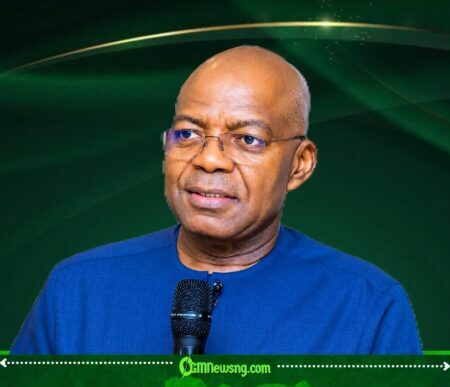







The debate over preaching inside commercial buses has taken another dramatic turn, with the Pentecostal Fellowship of Nigeria (PFN) declaring that no proposed restriction will silence Christians determined to spread the gospel. In a fiery response that quickly ignited public discussion, PFN President Bishop Wale Oke insisted that believers would continue preaching in commercial buses, even if doing so leads to arrest. While the issue has generated heated reactions across religious, legal, and transport circles, it has also become one of the country’s liveliest public debates over faith, freedom, and road safety.
Recent clarifications from the Senate indicate that restrictions on preaching and hawking in commercial vehicles have existed in earlier road traffic regulations, although the proposed FRSC amendment has renewed nationwide attention and criticism.
PFN Vows to Continue Preaching in Commercial Buses
In what could easily qualify as Nigeria’s most crowded mobile congregation, Bishop Wale Oke declared that Christians would “rather obey God than man,” insisting that preaching inside buses remains part of their constitutional right to propagate their faith. According to him, imprisonment would not discourage evangelism, as believers are prepared to continue spreading the gospel wherever passengers gather.
The satirical twist, however, imagines commercial buses suddenly becoming “high-security revival centres,” where conductors begin announcing, “Next bus stop: Salvation Junction. Please hold your faith tightly as law enforcement may be boarding shortly.” Passengers jokingly wonder whether bus fares will soon include complimentary hymn books or legal representation, while roadside lawyers reportedly begin rehearsing constitutional arguments before the next traffic stop.
Debate Over Bus Preaching Intensifies Across Nigeria
Behind the humour lies a genuine constitutional conversation. Christian organisations, including the PFN and CAN, have argued that any enforcement targeting religious preaching could infringe upon freedoms of religion and expression guaranteed under Nigerian law. Meanwhile, supporters of stricter regulation argue that commercial vehicles should prioritise passenger safety and minimise distractions for drivers. The Senate has also maintained that the controversial provision was not newly created but already existed under previous legislation governing road transport.
For now, the battle appears far from over. While lawmakers discuss road safety, church leaders continue defending evangelism, and commuters simply hope their next journey reaches its destination before another constitutional debate breaks out between the front and back seats. Until then, Nigeria’s commercial buses remain where law, faith, public opinion—and occasionally loud “Amens”—continue sharing the same ride.
Whether this controversy eventually results in legal amendments, court challenges, or simply more spirited public debate, it has already become one of the country’s most closely watched conversations about faith, freedom, and public space. OGM News NG will continue monitoring developments as religious leaders, lawmakers, and citizens navigate what could become another defining constitutional discussion.
Table of Contents
Discover more from OGM News NG
Subscribe to get the latest posts sent to your email.