









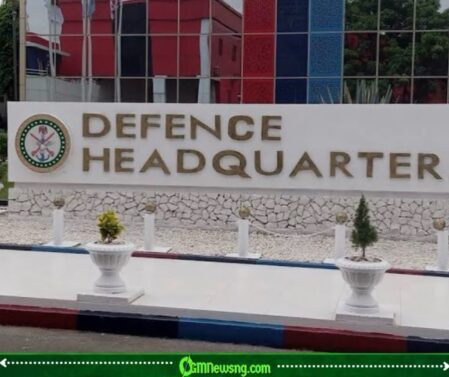
Nigeria’s Defence HQ has widened its surrender policy in a move that has sparked serious debate—and inspired plenty of satire. What was once a pathway mainly reserved for terrorists and bandits operating in parts of Northern Nigeria has now officially been extended to armed groups across the South-East, South-South and South-West. The announcement came after some militants reportedly surrendered to troops of Operation Udo Ka, with Defence spokesperson Maj. Gen. Michael Onoja confirming that the door is now open nationwide. In what many observers describe as a major shift in military strategy, the message was simple: “They are welcome to surrender.”
Defence HQ’s New Offer Sparks Questions About Justice for Victims
The expansion of the surrender policy follows years of military operations aimed at reducing violence across different regions of Nigeria. Security analysts have long noted that surrender programmes have been used alongside military action to encourage fighters to lay down their weapons, undergo screening and participate in rehabilitation where appropriate. The latest announcement suggests that the Defence Headquarters intends to apply the same opportunity to armed groups regardless of their geographical location.
In satirical fashion, social media users joked that the Defence Headquarters had quietly launched Nigeria’s newest “Walk-In Peace Centre,” complete with imaginary reception desks asking visitors whether they preferred “Bandit,” “Militant,” or “Unknown Gunman” as their category before collecting a surrender form. While humorous, the jokes reflect the public’s curiosity over how the expanded policy will be implemented and whether it will achieve lasting peace.
Defence HQ Opens Nigeria’s Biggest “Drop Your Gun” Reception Centre
Officials insist that the policy does not replace ongoing military operations but instead provides another pathway for those willing to abandon violence. Security experts have previously argued that successful counterinsurgency often combines force with opportunities for disengagement, especially where prolonged conflict has displaced communities and weakened local economies. The nationwide expansion appears designed to encourage more defections while reducing the incentive for prolonged armed confrontation.
Satirists, however, imagined a fictional scenario where armed groups began comparing “customer service reviews” of surrender programmes across different regions, with imaginary complaints about queue numbers and complimentary refreshments. Beneath the humour lies a genuine public concern: Nigerians want reassurance that justice, accountability and victims’ rights will remain central while peace initiatives continue to evolve.
The Defence Headquarters’ nationwide surrender policy represents a notable development in Nigeria’s security approach and may influence how future conflicts are managed across multiple regions. Whether the strategy results in more peaceful communities or generates fresh debate over accountability remains to be seen. OGM News NG will continue monitoring official developments, security updates and public reactions as this important story unfolds.
Table of Contents
Discover more from OGM News NG
Subscribe to get the latest posts sent to your email.