

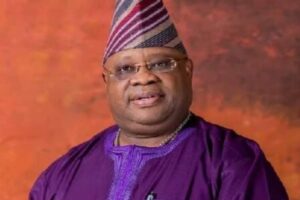







Vice President Kashim Shettima has reinforced the Federal Government’s drive for industrial transformation by leading six Nigerian governors on a study tour of the Glo-Djigbé Industrial Zone (GDIZ) in the Republic of Benin. The visit underscored the administration’s determination to strengthen agro-processing, revive manufacturing and create large-scale employment, as the governors pledged to adapt the successful industrial model in their respective states to support Nigeria’s ambition of building a $1 trillion economy.
The delegation, comprising the governors of Imo, Zamfara, Plateau, Kwara, Katsina and Jigawa states, described the industrial zone as a practical demonstration of how coordinated government policies, reliable infrastructure and private-sector investment can transform agriculture into industrial wealth. They said the experience offered valuable lessons for reducing Nigeria’s dependence on raw commodity exports while creating sustainable jobs for millions of young Nigerians.
VP Kashim Shettima Challenges Nigerian Governors to Copy Benin’s Industrial Success, Not Just Admire It
Vice President Kashim Shettima said Nigeria’s economic transformation depends on moving beyond the export of raw agricultural products to large-scale local processing and manufacturing. He emphasized that industrialisation remains central to the Federal Government’s economic agenda and called on state governments to create enabling environments that attract investors and promote value addition across agricultural value chains.
Following the tour, the governors pledged to replicate key aspects of the Glo-Djigbé Industrial Zone by strengthening agro-processing industries for commodities such as cotton, soybean, cashew and other agricultural products. They said adopting the model would help connect farmers directly to processors, increase production capacity, strengthen local industries and generate thousands of new employment opportunities.
The governors also stressed that improving infrastructure, ensuring policy consistency and encouraging greater private-sector participation would be essential to unlocking the economic potential of their states and accelerating industrial development.
Shettima’s Benin Tour Sparks Debate as Six Governors Pledge to Replicate Foreign Industrial Model
For Vice President Kashim Shettima, the visit reflects the Federal Government’s broader strategy of encouraging stronger collaboration between federal and state governments to drive economic diversification. The administration has consistently promoted investments in manufacturing, food processing and industrial parks as part of efforts to reduce unemployment, increase exports and improve Nigeria’s competitiveness across Africa.
Economic experts have long argued that Nigeria loses significant value by exporting raw agricultural commodities instead of processing them locally. Expanding agro-processing and manufacturing would not only increase farmers’ incomes but also strengthen supply chains, reduce imports of finished goods and generate additional foreign exchange through higher-value exports.
The Glo-Djigbé Industrial Zone has attracted international recognition for integrating agriculture, manufacturing and logistics within a business-friendly investment environment. Nigerian officials believe adapting similar strategies across the country’s states could significantly accelerate industrial growth and support long-term economic resilience.
As Vice President Kashim Shettima continues championing industrialisation and economic diversification, attention will now turn to implementation. The governors’ commitments have raised expectations that practical reforms, strategic investments and stronger partnerships could transform Nigeria’s agricultural resources into engines of industrial growth, helping the country move closer to its $1 trillion economy target while creating meaningful employment for future generations. OGM News will continue to monitor the progress of these initiatives.
Table of Contents
Discover more from OGM News NG
Subscribe to get the latest posts sent to your email.