






Terrorist Infiltration Claim Sparks Political Firestorm Across Nigeria
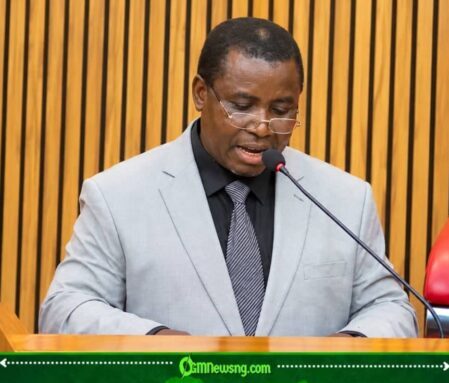
Nigeria’s political atmosphere has once again been stirred after opposition parties reacted strongly to an admission from the Presidency suggesting that terrorist groups may have infiltrated parts of the nation’s security architecture. The disclosure, made by Presidential adviser Daniel Bwala, has sparked fresh debate over the state of national security and whether hidden collaborators are helping criminal networks operate from within critical institutions.
In a development that has left many citizens raising their eyebrows high enough to qualify for aviation clearance, opposition parties argue that the revelation is not a shocking discovery but rather confirmation of concerns Nigerians have voiced for years. While government officials continue to promise improvements, critics insist that the latest disclosure raises serious questions about accountability, oversight and the effectiveness of ongoing security operations.
Presidency Admits Possible Terrorist Infiltration, Opposition Demands Accountability
The Social Democratic Party, African Democratic Congress, Young Progressives Party, Peoples Democratic Party and the National Democratic Coalition collectively expressed concern over the Presidency’s remarks. According to the parties, the suggestion that terrorists may have infiltrated security institutions points to deeper structural weaknesses that require immediate attention.
In the satirical view of political observers, some Nigerians jokingly wondered whether terrorists had applied through a secret recruitment portal hidden somewhere between bureaucracy and official paperwork. While the suggestion is clearly tongue-in-cheek, critics maintain that the matter itself is far from humorous and deserves a comprehensive investigation capable of identifying and prosecuting any officials found aiding criminal groups.
Nigerians Wonder Whether Infiltration Came With Orientation Training
Security experts have long warned that insider collaboration remains one of the most dangerous threats to national security. Various reports and public statements over the years have highlighted concerns about intelligence leaks, compromised operations and the challenge of rooting out bad actors within sensitive institutions. The latest admission has therefore reignited demands for reforms designed to strengthen transparency and internal monitoring mechanisms.
Meanwhile, opposition figures insist that acknowledging a problem is only the first step. They argue that Nigerians want concrete action rather than recurring assurances. In satirical political circles, some commentators joked that if infiltration were a school subject, Nigeria would already be preparing for the final examination. Beneath the humour, however, lies a serious concern: whether authorities can restore public confidence by demonstrating that security agencies remain capable of protecting the nation from both external threats and internal sabotage.
As debate continues, the controversy surrounding alleged security infiltration is likely to remain a major political issue. Nigerians will be watching closely to see whether investigations, reforms and prosecutions follow the Presidency’s admission. OGM News NG will continue monitoring developments as opposition parties press for answers and citizens await evidence that the country’s security challenges are being confronted with renewed urgency and transparency.
Table of Contents
Discover more from OGM News NG
Subscribe to get the latest posts sent to your email.