









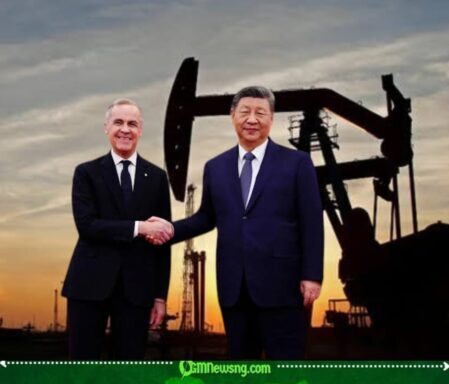
Canada Energy Superpower has quickly become one of the most talked-about phrases in global energy circles after Canada unveiled plans to develop a major oil pipeline capable of increasing exports to Asia while reducing its overwhelming dependence on the United States. The proposal has sparked excitement among industry leaders, cautious optimism from investors, and criticism from environmental campaigners, all while raising a larger question: is Canada preparing to reshape its place in the global energy market, or is this another ambitious project destined to face years of political and legal obstacles?
Canada Unveils New Pipeline Strategy to Reduce U.S. Dependence
Canadian leaders presented the proposed pipeline as part of a broader national strategy aimed at transforming the country into an energy superpower with stronger access to international markets. For decades, the vast majority of Canadian crude oil exports have been shipped to the United States because of existing pipeline infrastructure and the close economic relationship between the two countries. Officials now argue that relying so heavily on one customer leaves Canada vulnerable whenever trade disputes, tariffs, or political disagreements emerge between the neighbouring nations. Expanding export routes to the Pacific Coast, they say, would provide Canadian producers with greater flexibility and create opportunities to reach fast-growing economies across Asia.
The proposal has immediately generated debate over its potential economic impact. Supporters believe the project could attract billions of dollars in private investment, create thousands of construction and long-term operational jobs, strengthen Canada’s bargaining position in international energy markets, and increase government revenues. Critics, however, argue that the environmental consequences cannot be ignored, pointing to concerns surrounding greenhouse gas emissions, potential oil spills, wildlife protection, and the importance of meaningful consultation with Indigenous communities whose traditional lands could be affected. Even supporters acknowledge that regulatory approvals, financing, and public acceptance will ultimately determine whether the pipeline moves beyond the planning stage.
Is Canada Quietly Rewriting North America’s Energy Balance?
The Canada Energy Superpower vision extends far beyond building another pipeline. Energy analysts have increasingly argued that global demand patterns are evolving as Asian economies continue consuming large amounts of energy while nations simultaneously pursue lower-carbon technologies. Canadian policymakers appear eager to position the country as a reliable long-term supplier capable of serving multiple international markets rather than depending almost exclusively on the United States. Officials have repeatedly emphasized that the strategy is designed to diversify export destinations instead of replacing Canada’s existing trade partnership with its southern neighbour.
History, however, suggests the journey may prove difficult. Previous Canadian pipeline projects encountered years of legal challenges, environmental reviews, construction delays, and political disputes that significantly increased costs and postponed completion. Those experiences continue to shape public opinion, leaving many observers questioning whether this proposal can overcome similar obstacles. Meanwhile, global oil prices, changing climate policies, Indigenous partnerships, investor confidence, and international geopolitical developments will all influence whether the project ultimately succeeds. In many ways, the announcement represents not only an infrastructure proposal but also a broader statement about Canada’s economic ambitions and its desire to exercise greater control over its energy future.
Whether the project becomes a landmark achievement or another chapter in Canada’s long-running pipeline debate remains uncertain. What is already clear is that Canada Energy Superpower has become more than a political slogan—it now represents a national conversation about economic resilience, global competitiveness, environmental responsibility, and strategic independence. OGM News Nigeria will continue monitoring developments as governments, industry leaders, Indigenous representatives, investors, and international partners shape the next phase of one of North America’s most closely watched energy proposals.
Table of Contents
Discover more from OGM News NG
Subscribe to get the latest posts sent to your email.