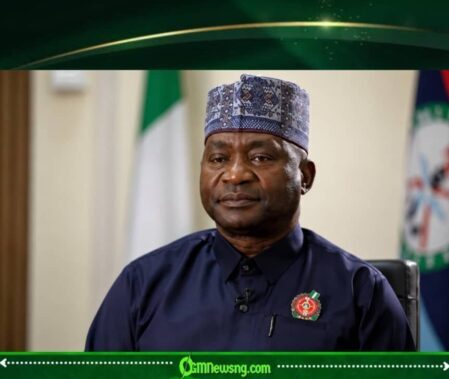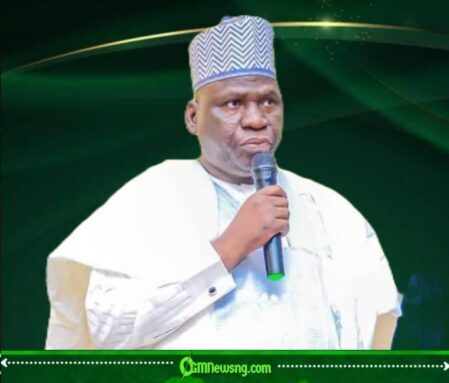



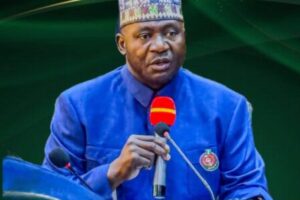
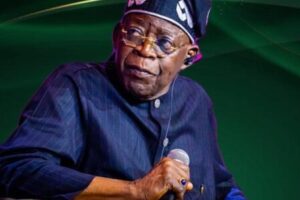
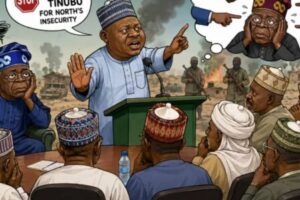


Democracy has once again become the centre of national debate after activist and former presidential candidate Omoyele Sowore argued that Nigeria has never evolved into a genuinely democratic nation. His controversial remark challenges one of the country’s most celebrated political milestones—the return to civilian rule in 1999—and raises fresh questions about whether elections alone are enough to define democracy. While the statement reflects Sowore’s political opinion rather than an established fact, it has reopened discussions about governance, accountability and institutional performance.
Sowore Declares Nigeria Has Never Experienced Real Democracy
Sowore argued that Nigeria’s transition from military rule did not automatically establish a functioning democracy. According to his position, recurring allegations of electoral irregularities, corruption, insecurity, weak public institutions and poor governance have prevented democratic principles from taking firm root. He maintains that genuine democracy requires more than civilian governments occupying public offices; it must also guarantee transparent institutions, equal justice, accountability and meaningful participation by citizens.
His criticism reflects arguments he has repeatedly made in interviews and public engagements, where he has distinguished between civilian administration and what he considers genuine democratic governance. Although many disagree with his conclusion, his remarks have continued to resonate with sections of the public frustrated by economic hardship, insecurity and concerns over institutional effectiveness.
Debate Grows After Sowore Criticises Nigeria’s Democratic System
Nigeria has conducted multiple general elections since the end of military rule in 1999, leading to peaceful transfers of power between elected governments, including the historic opposition victory in 2015. Nevertheless, election observers, civil society organisations and policy analysts have repeatedly identified challenges involving election administration, judicial disputes, political violence, corruption and governance reforms that continue to shape public confidence in democratic institutions.
Political analysts note that democracy is generally assessed using several indicators beyond elections, including judicial independence, protection of civil liberties, institutional accountability, media freedom and effective governance. Nigeria continues to maintain constitutional democratic structures, but debates persist over how effectively those institutions serve citizens. Sowore’s comments therefore represent one side of a broader political discussion rather than a settled assessment of Nigeria’s constitutional status.
As debate over Democracy continues, Sowore’s remarks are likely to remain part of wider conversations about constitutional reforms, electoral credibility and public trust in government. Whether Nigerians agree with his assessment or reject it outright, the discussion highlights an enduring question: can democratic success be measured simply by elections, or should it ultimately be judged by the quality of governance and the everyday experiences of citizens? OGM News Nigeria will continue monitoring developments surrounding this national conversation.
Table of Contents
Discover more from OGM News NG
Subscribe to get the latest posts sent to your email.