






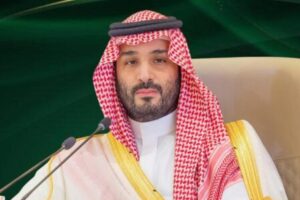

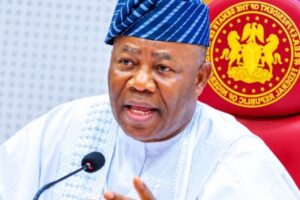
For Abuja this week, Kyari matter and the controversial N210 Trillion question suddenly move from ordinary committee discussion enter full political headline territory. The Senate Committee on Public Accounts order warrant for the arrest of former NNPCL Group Chief Executive Officer Mele Kyari after he failed to appear before lawmakers probing audit queries connected to the national oil company. The development immediately raise fresh debate about accountability, transparency, and whether one of Nigeria’s biggest financial controversies is finally approaching a turning point.
Senate Probe On Delay Of The Matter For Audit
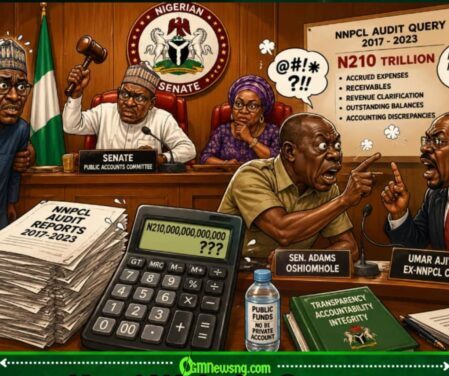
The Kyari case reached a critical stage after senators expressed frustration over repeated delays in obtaining answers to audit concerns covering NNPCL activities between 2017 and 2023. According to lawmakers, the committee has spent months examining records and raising questions linked to figures amounting to roughly N210 Trillion in accrued expenses and receivables identified during reviews of audited statements. Following Kyari’s absence at the latest hearing, senators voted to escalate the matter by ordering that he be brought before the committee.
The hearing also produced fireworks when Senator Adams Oshiomhole and former NNPCL Chief Financial Officer Umar Ajiya sharply disagreed over the interpretation of the figures under investigation. Ajiya strongly rejected suggestions that N210 trillion was missing, arguing that total company revenue for the period under review was significantly lower than the disputed figure. He maintained that the audit concerns should not automatically be interpreted as proof of lost funds and called for careful examination of the records.
Accountability On Public Fund And Necessary Steps
The current controversy did not begin overnight. Senate investigations into the disputed figures have been ongoing for months, with lawmakers repeatedly summoning former officials and requesting explanations regarding audit discrepancies identified in reports covering multiple financial years. The committee says its responsibility is to ensure accountability for public resources, while former officials insist many of the figures require technical interpretation rather than political conclusions.
What makes the N210 Trillion debate especially sensitive is that it touches the operations of Nigeria’s most strategic state-owned energy institution. Financial transparency within the oil sector has long attracted public attention because petroleum revenue remains central to government finances and economic planning. Analysts note that public confidence often depends not only on whether wrongdoing occurred, but also on whether institutions can clearly explain complicated financial records to citizens.
For now, the Kyari story remains less about final guilt or innocence and more about unanswered questions. The Senate wants appearances, documents, and explanations. Former officials want what they describe as fair interpretation of financial records. Nigerians, meanwhile, dey sit down with front-row tickets as trillions, audit queries, and political fireworks continue to compete for attention. OGM News Pidgin go keep eye on the matter because for this kind story, every new hearing fit produce another surprise, another argument, or another calculator that suddenly needs replacement.
Table of Contents
Discover more from OGM News NG
Subscribe to get the latest posts sent to your email.