


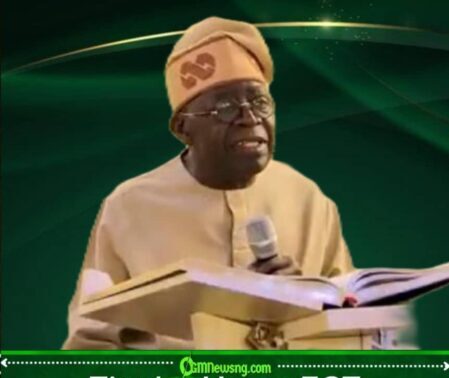
Taxes have become the latest centerpiece of President Bola Tinubu’s message to residents of the Federal Capital Territory, with the administration arguing that the future of Abuja’s expanding infrastructure network depends heavily on citizens fulfilling their financial obligations. Speaking during the commissioning of the completed Arterial Road N5 corridor in Abuja, the President urged residents and businesses to pay taxes and ground rents, presenting the appeal as both a civic responsibility and a practical necessity. The statement has reignited an old debate: should governments first prove performance before demanding compliance, or is compliance itself the fuel that makes development possible?
Taxes and Accountability For Infrastructure
According to the President, represented by Vice President Kashim Shettima, infrastructure projects require dependable revenue streams if they are to be completed and maintained. He described the newly commissioned road as evidence of the administration’s commitment to completing projects rather than leaving them abandoned. Government officials argue that improved road networks are expected to enhance connectivity, reduce logistics costs, attract investment, and create economic opportunities for communities across Abuja.
The appeal also reflects a broader push by the Federal Capital Territory Administration to improve compliance with taxes, fees, levies, and ground rents. Officials have repeatedly maintained that internal revenue generation is critical to sustaining the quality of public services and infrastructure being delivered across the capital city. Recent years have seen increasing attention paid to ground-rent collection, including warnings and enforcement actions targeting long-term defaulters.
Infrastructure and Public Expectations From Taxes
The Infrastructure argument advanced by the administration is not new. Over the past year, FCT officials, including Nyesom Wike, have repeatedly linked road construction, urban renewal projects, and public service improvements to revenue generated through taxes and statutory payments. Wike has publicly complained that some wealthy property owners willingly pay taxes abroad while resisting similar obligations in Nigeria, arguing that such behavior undermines development efforts.
At the national level, President Tinubu has consistently emphasized taxation as a pillar of economic development, arguing that government requires sustainable revenue to finance infrastructure, education, healthcare, and other public investments. The administration’s 2026 budget also places significant emphasis on capital expenditure and infrastructure funding, reinforcing the connection between revenue collection and development priorities.
The challenge, however, remains public trust. While government points to newly commissioned roads and visible projects as proof that revenue is being translated into results, many Nigerians continue to demand stronger transparency, accountability, and service delivery alongside any calls for increased compliance. The success of the administration’s message may ultimately depend not on how loudly citizens are told to pay, but on how clearly they can see where the money goes. As Abuja’s skyline and road network continue to evolve, OGM News Nigeria will monitor whether rising Taxes translate into even more visible Infrastructure gains—or deeper public scrutiny.
Table of Contents
Discover more from OGM News NG
Subscribe to get the latest posts sent to your email.