





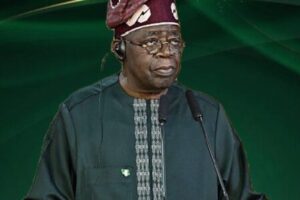




Sowore Trial entered a crucial new phase on Thursday after a Federal High Court in Abuja ordered African Action Congress presidential candidate and activist Omoyele Sowore to begin presenting his defence in an ongoing criminal defamation case involving President Bola Tinubu. The ruling has intensified public attention on a legal dispute that sits at the intersection of politics, public speech, and the limits of criticism in Nigeria’s democracy. With the court refusing further delays and directing accelerated proceedings, the next chapter of the case may prove more consequential than the arguments that brought it this far.
Proceedings Seeking An Adjournment
Justice Mohammed Umar ruled that Sowore must open his defence after rejecting an application by his legal team seeking an adjournment until after the court’s vacation. The court further directed that the matter proceed on a day-to-day basis, signaling an intention to move the trial forward without additional procedural setbacks.
The case stems from allegations by the Department of State Services that Sowore made defamatory statements about President Bola Tinubu through posts published on social media platforms. Prosecutors argue that those statements crossed legal boundaries and warrant criminal sanctions, while the defence has challenged various aspects of the proceedings during earlier stages of the trial. Court records indicate that previous efforts to halt the matter through a no-case submission were unsuccessful, with the court ruling that sufficient grounds existed for the defendant to answer the allegations.
Defamation Debate And Discussions About Freedom
Beyond the immediate courtroom contest, the Defamation dispute has reignited broader discussions about freedom of expression, political criticism, and the use of criminal laws in disputes involving public officials. Legal analysts note that cases involving statements made on digital platforms increasingly test the balance between protecting reputations and preserving citizens’ rights to scrutinize elected leaders. The public interest surrounding the matter has therefore extended well beyond the personalities directly involved.
The case also arrives at a time when social media has become one of Nigeria’s most influential political arenas. Statements once confined to rallies, newspapers, or television now spread instantly across digital networks, increasing both their impact and their legal exposure. As a result, courts are increasingly being asked to determine where robust political criticism ends and actionable defamation begins. Observers say the outcome of the Sowore Trial could be closely studied in future cases involving online political commentary and public accountability.
As the Sowore Trial moves into the defence stage, attention will likely shift from procedural arguments to substantive questions about evidence, intent, and the legal meaning of Defamation in a rapidly evolving media environment. OGM News Nigeria will continue monitoring developments as the proceedings unfold and their wider implications for political discourse become clearer.
Table of Contents
Discover more from OGM News NG
Subscribe to get the latest posts sent to your email.