

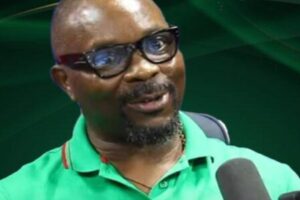
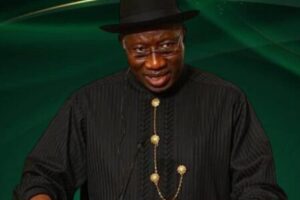


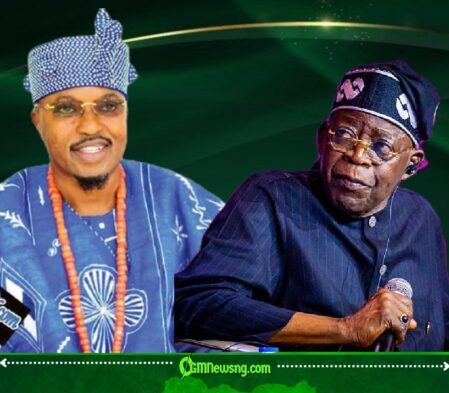
Oba Abdulrasheed Adewale Akanbi, Oluwo of Iwo has sparked fresh debate over Nigeria’s economic direction after urging President Bola Ahmed Tinubu to borrow more funds for infrastructure projects capable of transforming lives and accelerating economic growth. The respected monarch argued that strategic investments in critical sectors could produce long-term benefits that outweigh concerns about additional debt.
The comments come as Nigeria continues to balance ambitious development plans with concerns about public borrowing and fiscal sustainability. While many analysts have called for caution regarding debt accumulation, Oba Abdulrasheed Adewale Akanbi, Oluwo of Iwo believes that infrastructure remains one of the most effective tools for driving national transformation.
According to the monarch, borrowing should not be judged solely by the amount involved but by the quality and impact of the projects financed with those funds.
Infrastructure VS Debt Servicing
Oba Abdulrasheed Adewale Akanbi, Oluwo of Iwo emphasized that infrastructure development remains essential to unlocking Nigeria’s economic potential. He argued that investments in highways, rail networks, power generation, and other public assets can create jobs, improve productivity, and attract local and foreign investment.
The monarch noted that countries seeking rapid economic growth often rely on major infrastructure spending to strengthen their foundations for future prosperity. In his view, development projects that improve transportation, energy access, and commerce should be treated as long-term national investments rather than mere expenditures.
Supporters of this position argue that quality infrastructure can increase government revenue over time by stimulating business activity and reducing economic bottlenecks.
Growth Vs National Debt
For Oba Abdulrasheed Adewale Akanbi, Oluwo of Iwo, the central question is not whether Nigeria should borrow but whether borrowed funds are being used effectively. He maintains that loans directed toward transformative projects can generate economic returns that benefit future generations.
His remarks arrive amid continuing discussions about how Nigeria can expand economic opportunities while addressing infrastructure deficits across multiple sectors. Economists frequently point out that productive borrowing differs significantly from debt used to finance recurrent spending.
Critics, however, caution that successful borrowing requires transparency, accountability, and efficient project delivery. Without those safeguards, infrastructure ambitions can fail to produce the expected results and place additional pressure on public finances.
As the debate continues, Oba Abdulrasheed Adewale Akanbi, Oluwo of Iwo has made a clear case for bold investment in national development. Whether policymakers embrace that recommendation or adopt a more conservative approach, the discussion highlights the difficult choices facing Nigeria as it seeks to balance growth, development, and fiscal responsibility.
Table of Contents
Discover more from OGM News NG
Subscribe to get the latest posts sent to your email.