






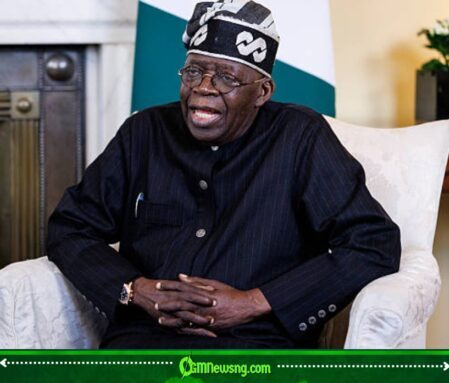
Tinubu has described his time in office as a period of difficult choices and personal sacrifice, saying he chose to confront challenges directly rather than avoid them. The President made the remark while reflecting on the burdens of leadership, stating that instead of “dodging the bullet,” he accepted the consequences of taking bold decisions and “took a punch in the chin.”
The Tinubu statement is widely seen as a reference to the political and economic challenges that have accompanied major reforms introduced during his administration. The President suggested that leadership often requires enduring criticism and hardship in pursuit of long-term national objectives rather than prioritizing short-term popularity.
His comments have quickly attracted attention across political circles, with supporters interpreting the statement as evidence of resilience and determination, while critics argue that the true measure of leadership lies in the practical impact of policies on citizens’ lives.
Tinubu Urges Resilience
The Tinubu remarks come amid continuing debate over reforms introduced since the beginning of his administration. Policies such as fuel subsidy removal, foreign exchange adjustments, and broader economic restructuring have generated both praise and criticism from different sectors of society.
Supporters of the President argue that many of these decisions were necessary to address long-standing structural problems within the economy. They maintain that meaningful reform often requires leaders to make difficult choices that may be unpopular in the short term but beneficial over time.
Political observers note that leaders frequently use personal metaphors to explain the pressures of governance, particularly during periods of economic adjustment and political scrutiny. In this context, the President’s boxing analogy appears aimed at emphasizing endurance and willingness to bear political costs.
Debate About the Balance Between Reform and Public Hardship
The Tinubu comments have also reignited broader conversations about the balance between reform and public hardship. While government officials point to economic indicators and infrastructure investments as signs of progress, many Nigerians continue to express concern over inflation, living costs, and purchasing power.
Analysts say the President’s remarks reflect an effort to frame his administration’s challenges as part of a larger transformation agenda. Whether that narrative resonates with voters may depend largely on how citizens experience the effects of ongoing reforms in the months and years ahead.
As reactions continue to emerge, the statement has become one of the most discussed political comments of recent days. Supporters see a leader willing to absorb criticism for the sake of reform, while opponents argue that citizens have also borne significant costs. Either way, Tinubu has once again placed the conversation about leadership, sacrifice, and accountability at the center of Nigeria’s political discourse.
Table of Contents
Discover more from OGM News NG
Subscribe to get the latest posts sent to your email.