
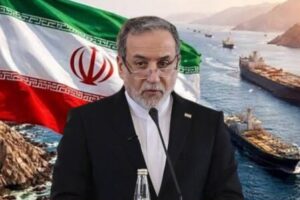






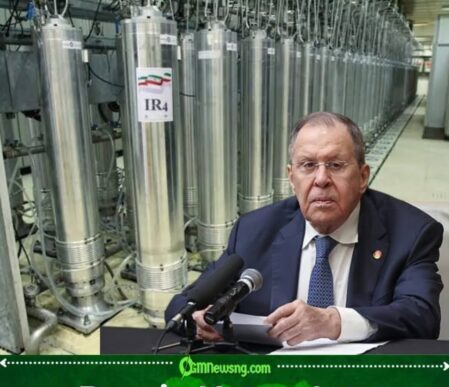
Iran uranium tensions returned to the center of international diplomacy after Russia confirmed that its proposal to remove Iran’s highly enriched uranium “remains fully on the table,” a statement that immediately revived speculation about fragile negotiations happening behind closed doors. While officials attempted to present the proposal as a practical diplomatic option, the announcement also exposed how unresolved nuclear concerns continue to shadow global politics, with many observers questioning whether the world is witnessing meaningful diplomacy or simply another recycled chapter in a decades-long geopolitical standoff.
Russia Keeps Iran Nuclear Offer Alive Amid Global Tension
Russian officials indicated that the Iran uranium proposal could still serve as a mechanism for reducing international concern surrounding Tehran’s enrichment activities. The suggestion reportedly involves the transfer or management of highly enriched uranium in a manner designed to reduce fears about possible weapons-grade development while potentially opening pathways for broader negotiations. Supporters of the proposal argue that such arrangements have historically been viewed as compromise measures intended to lower immediate tensions without forcing either side into a public political defeat.
Iran uranium discussions have remained highly sensitive because enrichment levels and stockpile quantities are often viewed by international watchdogs as critical indicators in assessing nuclear capability risks. Iranian authorities have repeatedly maintained that their nuclear activities are intended for peaceful purposes, including energy and scientific development. However, several governments continue to express concern that enrichment beyond civilian requirements creates uncertainty about long-term intentions. The latest Russian statement therefore arrives at a moment when diplomatic language is being carefully monitored for hidden signals about future negotiations.
Critics Say Iran Uranium Deal Could Become Diplomatic Theater
The renewed Iran uranium debate also reflects broader global tensions extending far beyond nuclear policy alone. Relations between Russia and Western governments remain strained over military conflicts, sanctions, and international influence, leading some analysts to question whether the proposal is purely diplomatic or partly strategic. By positioning itself as a possible mediator, Moscow could strengthen its influence in Middle Eastern affairs while simultaneously challenging the dominance of Western-led diplomatic initiatives.
Iran uranium concerns additionally carry economic and security implications that reach into global energy markets and regional stability. Experts warn that any major escalation involving Iran’s nuclear activities could unsettle oil prices, increase military tensions in the Middle East, and place additional strain on already fragile international alliances. Despite these risks, public reactions online have increasingly blended anxiety with satire, as many observers express frustration that negotiations appear trapped in an endless cycle of announcements, denials, warnings, and renewed proposals. Some users joked that international diplomacy concerning Iran uranium has become “the sequel nobody stops renewing.”
The coming weeks may determine whether the revived proposal develops into a serious diplomatic pathway or fades into another symbolic gesture in an already crowded history of nuclear negotiations. OGM News Nigeria will continue monitoring developments surrounding the Iran uranium issue as governments weigh security concerns against the growing pressure to avoid another major international crisis.
Table of Contents
Discover more from OGM News NG
Subscribe to get the latest posts sent to your email.