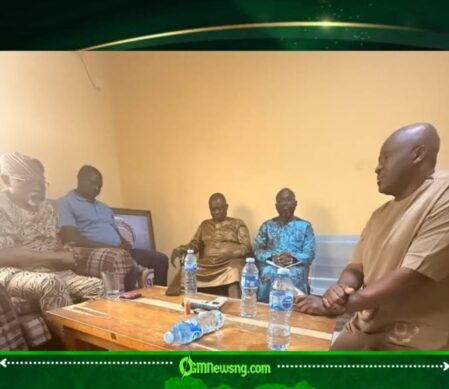

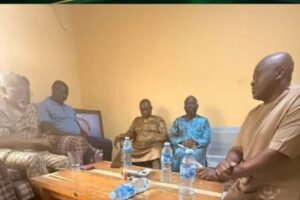





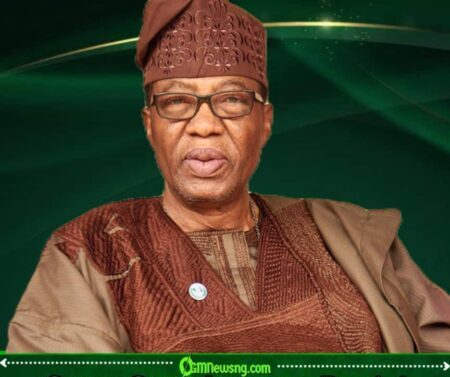
Consensus Politics has suddenly become the newest battlefield in Ogun State after the government launched a fierce rebuttal against Senator Gbenga Daniel, accusing the former governor of condemning the same political arrangement that allegedly facilitated his emergence during the 2023 elections. The sharp response followed comments credited to Daniel in which concerns were reportedly raised about Governor Dapo Abiodun’s leadership style and internal political dealings within the ruling structure.
The state government, in unusually blunt language, dismissed the senator’s remarks as the “rantings of a drowning politician,” arguing that Daniel was attempting to distance himself from a process he once benefited from politically. The response immediately intensified speculation about widening cracks among influential political actors who previously appeared united under the same party platform during the last electoral cycle.
Officials defending the governor insisted that the consensus arrangement used during party negotiations in Ogun State was neither hidden nor imposed by force, but rather part of broader internal agreements designed to prevent destructive primary battles. According to insiders familiar with the political climate leading into 2023, several influential figures reportedly embraced compromise arrangements in order to preserve party stability and avoid fragmentation.
Political observers, however, note that the controversy goes beyond mere disagreement over internal party democracy. Many believe the latest exchange reflects growing tension over future political influence, especially as conversations quietly begin around succession calculations, control of party structures, and possible alignments ahead of another election season.
Consensus: Ogun Rift And Public Opinion Shift
The Ogun Rift now unfolding publicly also mirrors a wider national debate surrounding consensus candidacies within Nigerian political parties. Across several states in recent election cycles, consensus arrangements have repeatedly generated criticism from party members who argue that such processes weaken grassroots participation and favour elite negotiations over transparent contests.
Despite those criticisms, party leaders across the country have often defended consensus politics as a practical survival mechanism aimed at avoiding costly internal crises capable of destroying electoral chances. In Ogun State itself, the ruling political establishment was widely viewed during the 2023 elections as relatively coordinated compared to some rival states where internal disputes produced prolonged legal and political battles.
The renewed clash between Daniel and the current administration has therefore triggered fresh questions about whether political consensus remains a genuine peace-building tool or merely a temporary truce among ambitious power blocs. Analysts say the disagreement may also influence alliances within Ogun politics, especially among loyalists who once operated comfortably within the same political family.
For ordinary residents facing economic pressures and governance concerns, the public confrontation has become another reminder of how quickly political friendships can collapse once questions of influence, succession, and control emerge. What once looked like strategic unity now risks evolving into a prolonged political rivalry capable of reshaping Ogun’s power structure before the next major electoral contest.
OGM News Nigeria understands that further reactions may still emerge from various political camps as consultations and behind-the-scenes negotiations continue. Whether this dispute cools down quietly or escalates into a broader political rebellion may depend largely on how both sides manage the growing battle over Consensus Politics and the increasingly visible Ogun Rift.
Table of Contents
Discover more from OGM News NG
Subscribe to get the latest posts sent to your email.