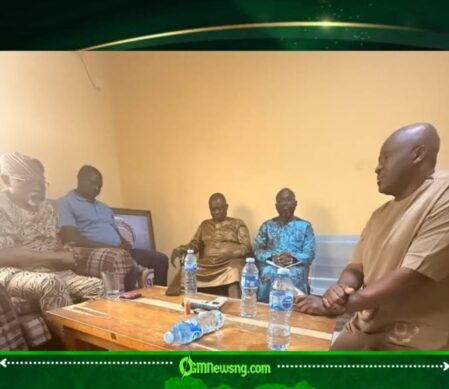






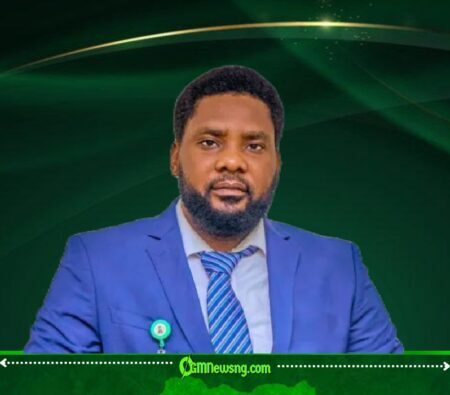
EFCC arrested Mustapha Abdullahi, the Director-General of the Energy Commission of Nigeria, over an alleged ₦500 billion fraud case. The dramatic development has immediately triggered nationwide outrage and intensified scrutiny surrounding financial management within one of the country’s most strategic government institutions.
Mustapha Abdullahi reportedly came under EFCC investigation following allegations linked to the handling and movement of massive public funds connected to projects and operations involving the Energy Commission of Nigeria. Although full official details remain limited, the scale of the alleged fraud has already generated intense public attention and political discussion across the country.
The arrest has become one of the most talked-about developments online, with many Nigerians expressing anger over repeated corruption allegations involving sectors considered critical to national growth and infrastructure development. Social media reactions reflected growing frustration among citizens who continue facing economic hardship, unstable electricity supply, and rising living costs despite enormous government spending across the energy sector.
Analysts say the Mustapha Abdullahi case could become one of the largest anti-corruption investigations involving Nigeria’s energy sector if the allegations are fully substantiated. The EFCC has faced increasing pressure in recent years to pursue stronger investigations involving influential public officials and major financial crimes tied to federal agencies.
Accountability Pressure Grows Around Nigeria’s Public Institutions
Accountability has remained one of the most politically sensitive issues in Nigeria because corruption allegations involving public funds continue shaping public distrust toward government institutions and national development programs.
The Energy Commission of Nigeria occupies a strategic position in energy planning, policy coordination, and research aimed at improving the country’s energy future. Because of this responsibility, allegations involving such a large financial figure have generated widespread concern regarding oversight and transparency inside federal institutions.
Many Nigerians argue that repeated corruption scandals tied to infrastructure and public service sectors continue slowing national progress while weakening confidence in government promises. Critics frequently point to electricity shortages, poor infrastructure, and inconsistent service delivery as evidence that public spending often fails to translate into visible national improvement.
At the same time, anti-corruption agencies continue facing public pressure to ensure that investigations involving senior officials result in transparent legal processes and meaningful accountability rather than temporary political drama without lasting consequences.
Mustapha Abdullahi: Energy Scandal Concerns and the Public’s Growing Frustration
Energy Scandal controversies often attract enormous public attention because millions of Nigerians continue struggling daily with unreliable electricity supply and broader energy challenges despite decades of investment and reform promises.
Mustapha Abdullahi’s reported arrest has therefore revived wider debates about financial management within strategic sectors handling billions of naira in public funds. Online reactions showed many Nigerians questioning how repeated corruption allegations continue emerging while infrastructure conditions remain poor across many parts of the country.
Economic analysts warn that corruption allegations involving major government agencies can damage investor confidence, weaken institutional credibility, and reduce public trust in reform efforts. Concerns also remain about whether allegedly diverted funds can realistically be recovered after large-scale financial crimes occur.
Political observers believe the case may increase demands for broader reforms involving procurement systems, auditing mechanisms, financial transparency, and independent oversight across federal agencies responsible for strategic national projects.
For now, Mustapha Abdullahi’s reported arrest has added another major chapter to Nigeria’s long-running anti-corruption struggle. Whether the investigation leads to formal charges, convictions, or wider institutional reforms, the debate surrounding Accountability and the widening Energy Scandal continues shaping public frustration over governance, transparency, and national development. OGM News Nigeria will continue monitoring EFCC investigations, official responses, and possible court proceedings connected to the case.
Table of Contents
Discover more from OGM News NG
Subscribe to get the latest posts sent to your email.