








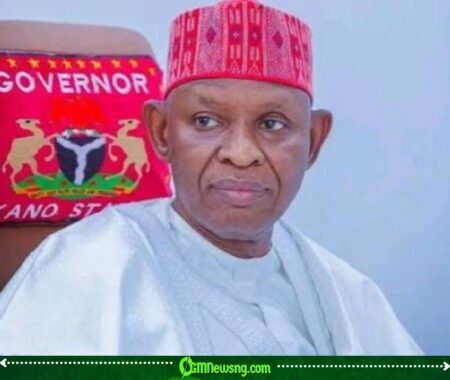
Governor Abba Kabir Yusuf has disclosed that loan companies are responsible for the deduction of over ₦1.5 billion from the salaries of civil servants in Kano State. The revelation followed a detailed review of the state’s payroll system after numerous complaints from workers about unexplained reductions in their monthly earnings. The governor described the situation as deeply troubling, emphasizing that such large-scale deductions raise serious concerns about financial accountability and worker protection.
According to the governor, preliminary findings indicate that many of the deductions stem from agreements between workers and multiple loan providers, some of which allegedly imposed excessive interest rates and unclear repayment conditions. In several cases, civil servants were said to have taken overlapping loans, leading to compounded deductions that significantly reduced their net income. The administration expressed concern that many workers may not have fully understood the financial implications of these agreements.
Governor Yusuf stressed that the situation reflects both systemic lapses in oversight and the growing financial pressure on workers. He noted that without proper monitoring mechanisms, third-party deductions can easily spiral out of control, leaving employees vulnerable to exploitation. The government has therefore pledged to take immediate steps to address the issue and restore confidence in the state’s payroll system.
Governor Abba Kabir Yusuf Highlights Workers’ Hardship and Exploitation Risks
Abba Kabir Yusuf expressed deep concern over the impact of the deductions on civil servants, noting that many workers are now struggling to meet their basic needs. Reports from affected employees reveal widespread frustration, with some claiming they were unaware of the full repayment terms attached to their loans. The governor acknowledged that the situation has placed an unfair financial burden on workers, affecting both their welfare and productivity.
Labor unions and advocacy groups have backed the governor’s stance, calling for urgent intervention to protect workers from predatory lending practices. They argue that the scale of the deductions suggests a lack of transparency and regulation in how loan agreements are managed within the public service system. Some stakeholders have also urged the government to consider relief measures for those most severely affected.
Governor Yusuf further noted that the issue highlights a broader economic challenge, where rising living costs and limited access to affordable credit push workers toward high-interest loan providers. He emphasized the need for increased financial literacy among civil servants, as well as stronger institutional safeguards to prevent exploitation. According to him, protecting workers from such financial traps is essential for maintaining a stable and efficient public service.
Governor Abba Kabir Yusuf Announces Reforms to Regulate Loan Deductions
Abba Kabir Yusuf has announced a series of reforms aimed at tightening regulations around salary deductions and loan agreements involving civil servants. The state government plans to conduct a comprehensive audit of all loan companies operating within its jurisdiction to ensure compliance with ethical and financial standards. Firms found to be engaging in exploitative practices may face sanctions, including suspension or blacklisting.
As part of the reform agenda, the governor revealed plans to introduce a centralized payroll monitoring system that will track and regulate all deductions in real time. This system is expected to enhance transparency, prevent unauthorized transactions, and provide workers with clearer insights into their financial obligations. Officials believe that such measures will significantly reduce the risk of abuse and restore trust in the system.
Governor Yusuf reaffirmed his administration’s commitment to safeguarding the welfare of civil servants in Kano State. He urged workers to exercise caution when entering loan agreements and to seek proper guidance before committing to financial obligations. With these reforms, the government aims to create a more transparent, fair, and accountable system that protects workers from future exploitation while ensuring financial discipline.
Table of Contents
Discover more from OGM News NG
Subscribe to get the latest posts sent to your email.