






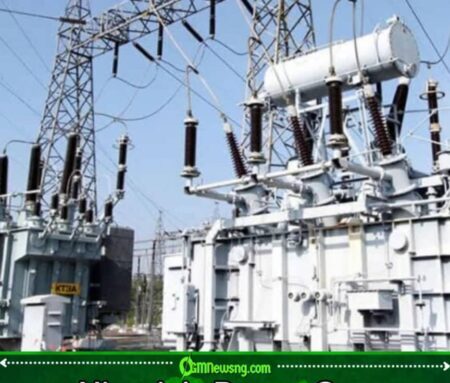
Nigeria requires at least 30,000 megawatts (MW) of electricity generation capacity to attain energy self-sufficiency, according to a leading power sector expert. The assertion highlights the persistent gap between the nation’s current electricity output and the level required to sustain economic growth, industrialisation, and improved living standards. Despite decades of reforms and investments, the country continues to grapple with erratic power supply, forcing businesses and households to rely heavily on alternative energy sources.
Nigeria Persistent Power Deficit Hampers Growth
Nigeria’s current installed capacity is estimated at over 12,000MW, but actual generation fluctuates between 3,000MW and 5,000MW due to infrastructure constraints, gas supply challenges, and transmission limitations. This shortfall has had far-reaching implications for economic productivity, particularly for small and medium-sized enterprises that depend on stable electricity to operate efficiently.
Experts note that the inadequate power supply has significantly increased the cost of doing business. Many companies resort to diesel and petrol generators, which not only raise operational expenses but also contribute to environmental pollution. As a result, Nigeria’s competitiveness in manufacturing and industrial production continues to lag behind peer economies with more reliable energy systems.
Furthermore, the unreliable electricity supply affects Nigeria quality of life for millions of citizens. Households face frequent outages, limiting access to basic amenities and disrupting daily activities. The situation underscores the urgent need for a comprehensive and sustainable solution to the country’s energy challenges.
Call for Strategic Investments and Policy Reforms
Industry stakeholders emphasize that achieving 30,000MW capacity will require coordinated investments across generation, transmission, and distribution segments. Expanding power plants alone is insufficient without corresponding upgrades to the national grid, which must be capable of efficiently evacuating and distributing electricity across the country.
Policy consistency and regulatory reforms in Nigeria are also seen as critical factors. Investors often cite uncertainty in tariffs, market liquidity issues, and governance challenges as barriers to large-scale investment in the sector. Addressing these concerns could unlock significant private sector participation, which is essential for bridging the funding gap.
In addition, experts advocate for diversification of energy sources, including renewable options such as solar, wind, and hydroelectric power. Given Nigeria’s abundant natural resources, a balanced energy mix could enhance resilience, reduce dependence on fossil fuels, and support long-term sustainability goals.
Pathway to Energy Security and Economic Transformation
Achieving electricity self-sufficiency is widely regarded as a cornerstone of Nigeria’s economic transformation. Reliable power supply would stimulate industrial growth, attract foreign investment, and create employment opportunities across multiple sectors. It would also reduce the financial burden on households and businesses currently dependent on alternative energy sources.
Analysts suggest that decentralised power solutions, such as mini-grids and off-grid systems, could play a complementary role in Nigeria expanding access, particularly in rural and underserved communities. These solutions offer flexibility and faster deployment compared to large-scale grid projects.
Ultimately, bridging the electricity gap will require strong political will, effective implementation of Nigeria policies, and sustained collaboration between government and private stakeholders. While the 30,000MW target is ambitious, experts believe it is achievable with a clear roadmap and commitment
Table of Contents
Discover more from OGM News NG
Subscribe to get the latest posts sent to your email.