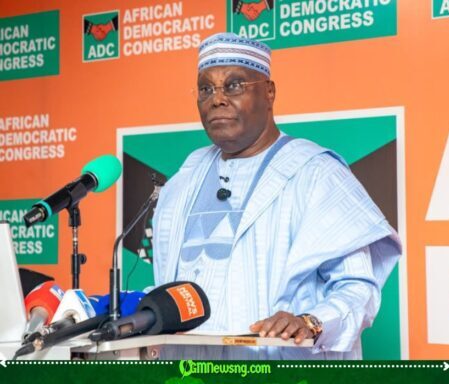









INEC Chairman Josiah Amupitan, as prominent voices including Pat Utomi and Femi Falana demand his resignation over alleged partisanship. The controversy has placed Prof. Josiah Amupitan at the center of a national debate on electoral integrity and institutional independence.
The calls for resignation stem from concerns that Prof. Josiah Amupitan’s perceived political alignment could undermine the neutrality expected of leadership within the Independent National Electoral Commission (INEC). As Nigeria continues to navigate complex democratic challenges, the issue has sparked widespread discussion across political and civic spaces.
With public trust in electoral systems already under scrutiny, the spotlight on Prof. Josiah Amupitan has intensified, raising critical questions about accountability, transparency, and the future of Nigeria’s democratic processes.
Prof. Josiah Amupitan Accused of Partisanship Amid Rising Concerns
Allegations of bias against Prof. Amupitan have fueled concerns about the credibility of Nigeria’s electoral framework. Critics argue that any perception of partisanship within INEC leadership could significantly damage the institution’s reputation and compromise public confidence.
Pat Utomi has warned that democratic stability depends on the unquestionable neutrality of electoral officials, stressing that Prof. Josiah Amupitan’s position must be beyond reproach. Similarly, Femi Falana has called for urgent scrutiny, emphasizing the need for transparency in addressing the allegations.
Observers note that Nigeria’s electoral history has often faced credibility challenges, making the current accusations against Prof. Amupitan particularly sensitive. As a result, stakeholders are urging swift action to prevent further erosion of trust.
Prof. Josiah Amupitan Under Pressure as Calls for Resignation Intensify
The demand for Prof. Josiah Amupitan’s resignation is gaining momentum, with civil society groups and political commentators joining the chorus. Many argue that stepping aside could help restore confidence in the electoral process and allow for an independent investigation.
Femi Falana has maintained that public officials must prioritize national interest over personal position, suggesting that Prof. Josiah Amupitan’s resignation would demonstrate accountability. Likewise, Pat Utomi has urged Nigerians to remain engaged and demand transparency from institutions entrusted with democratic responsibilities.
As pressure mounts, Prof. Josiah Amupitan remains a central figure in ongoing discussions about leadership standards and ethical conduct within public office.
Prof. Amupitan Controversy Raises Questions About Nigeria’s Electoral Future
The unfolding situation involving Prof. Amupitan carries significant implications for Nigeria’s democratic trajectory. Analysts warn that unresolved concerns could weaken public trust and affect participation in future elections.
The Independent National Electoral Commission now faces the challenge of addressing the allegations in a manner that reassures citizens of its independence. For many, the handling of the issue involving Prof. Amupitan will serve as a test of the commission’s commitment to transparency.
As debates continue, the controversy highlights the urgent need for reforms that strengthen institutional credibility. Whether through leadership changes or policy adjustments, the outcome will shape perceptions of Nigeria’s electoral integrity for years to come.
Table of Contents
Discover more from OGM News NG
Subscribe to get the latest posts sent to your email.