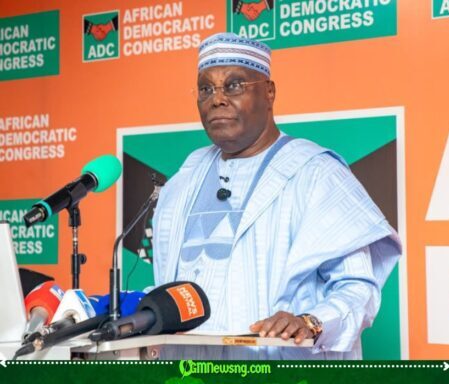





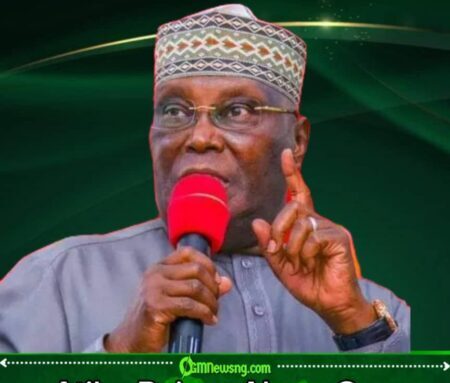
Atiku Abubakar formal vice President has strongly criticised a recent advisory issued by the National Broadcasting Commission (NBC), describing it as a renewed attempt to stifle media freedom in Nigeria. The development has sparked debate among media stakeholders, civil society groups, and political observers, raising concerns about press independence and regulatory overreach.
Atiku’s remarks come amid growing scrutiny of regulatory frameworks governing broadcast media, with critics warning that such directives could have far-reaching implications for democratic expression and public access to information.
Atiku Concerns Over Press Freedom and Regulatory Overreach
Atiku in his reaction argued that the NBC’s Code of Conduct advisory represents a troubling pattern of attempts to control the narrative within Nigeria’s media space. He maintained that any measure perceived as limiting the freedom of the press undermines democratic values and weakens public trust in institutions.
He further stressed that a free and independent media remains a cornerstone of democracy, serving as a watchdog that holds government and public officials accountable. According to him, regulatory actions must be carefully balanced to avoid suppressing dissenting voices or critical reporting.
Media analysts have echoed similar concerns, noting that regulatory bodies must operate transparently and within clearly defined legal boundaries. They warn that excessive restrictions could discourage investigative journalism and limit the diversity of viewpoints available to the public.
NBC’s Position and Broader Implications
While the NBC has not framed its advisory as restrictive, the commission has historically maintained that its guidelines are intended to ensure professionalism, ethical standards, and responsible broadcasting. Supporters of the commission argue that regulation is necessary to prevent misinformation, protect public interest, and maintain broadcast integrity.
However, critics contend that the timing and tone of such advisories often raise questions about intent, particularly in politically sensitive periods. They argue that even well-intentioned regulations can be misinterpreted or misapplied, potentially leading to self-censorship among media organisations.
The situation highlights the delicate balance between regulation and freedom, a challenge faced by many democracies worldwide. In Nigeria, where the media plays a crucial role in shaping public discourse, the outcome of this debate could influence how information is disseminated and consumed.
Reactions and the Way Forward
Civil society organisations and media advocacy groups have called for dialogue between the NBC, media practitioners, and other stakeholders to address Atiku’s concerns surrounding the advisory. They emphasise the need for policies that protect both the integrity of the media and the fundamental right to freedom of expression.
Political observers also note that statements such as Atiku’s reflect broader tensions within Nigeria’s political landscape, where issues of governance, accountability, and transparency remain central to public debate.
As discussions continue, many stakeholders are urging a review of existing regulatory frameworks to ensure they align with constitutional guarantees and international best practices. The evolving discourse underscores the importance of safeguarding democratic institutions while maintaining standards in the media industry.
Table of Contents
Discover more from OGM News NG
Subscribe to get the latest posts sent to your email.