









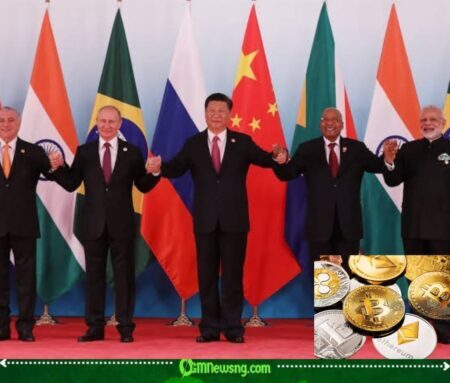
BRICS countries are reportedly advancing plans to launch a new digital payment system known as “BRICS Pay,” aimed at reducing reliance on the US dollar in global trade. The initiative reflects a growing effort among emerging economies to reshape the financial architecture that has long been dominated by Western institutions.
The proposal comes at a time of shifting geopolitical and economic alignments, with member nations seeking greater independence in how cross-border transactions are conducted. A shared digital currency or payment network could streamline trade while minimizing exposure to currency fluctuations tied to the dollar.
Observers say the move highlights increasing momentum toward alternative financial systems, especially as technological innovation enables new forms of digital exchange.
BRICS Countries and the Push for Financial Independence
BRICS countries have emphasized the importance of creating mechanisms that allow member states to conduct transactions without relying heavily on traditional Western-dominated financial networks. The concept of BRICS Pay is central to this vision.
The system is expected to leverage digital technology to facilitate faster and more efficient payments between participating nations. This could reduce transaction costs and improve economic integration among members.
Advocates argue that such a system would provide greater resilience against external economic pressures, including sanctions and currency volatility.
Global Economic Implications
BRICS countries are positioning the initiative as part of a broader shift toward a more multipolar financial system. If successfully implemented, BRICS Pay could challenge the dominance of the US dollar in certain trade corridors.
Economists note that while the dollar remains deeply entrenched, incremental changes like this could gradually alter global financial dynamics.
The long-term impact will depend on adoption rates, technological infrastructure, and trust among participating nations.
BRICS Countries and International Reactions
BRICS countries’ plans have drawn mixed reactions from the international community, with some analysts viewing the move as a natural evolution of global finance, while others remain skeptical about its feasibility.
Critics point to challenges such as regulatory coordination, cybersecurity risks, and the need for strong institutional frameworks to support a shared system.
Supporters, however, see the initiative as a step toward balancing global economic power and increasing financial inclusivity.
Challenges and Opportunities
BRICS countries face several hurdles in bringing BRIC Pay to fruition, including technical integration, governance structures, and alignment of economic policies among member states.
Despite these challenges, the potential benefits—such as reduced dependency on a single dominant currency—continue to drive interest in the project.
The initiative also opens opportunities for innovation in digital finance, particularly in emerging markets.
BRIC countries are expected to continue refining their plans, with further discussions likely to shape the final structure of the payment system. The timeline for implementation remains uncertain.
Future developments will depend on cooperation among member nations and the ability to address key technical and regulatory concerns.
Ultimately, the move signals a broader trend toward diversification in global finance, where new systems coexist alongside established ones, gradually reshaping the economic landscape.
Table of Contents
Discover more from OGM News NG
Subscribe to get the latest posts sent to your email.