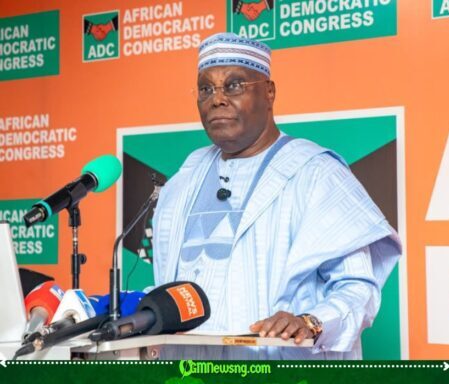






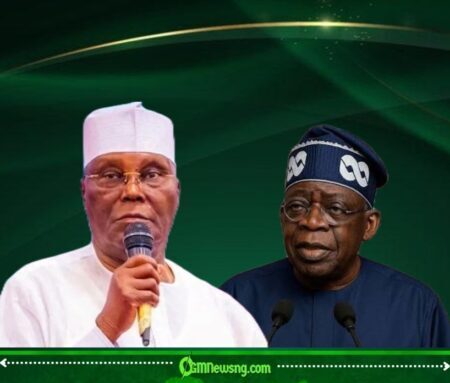
A fresh political confrontation has emerged between former Vice President Atiku Abubakar and President Bola Ahmed Tinubu, as Atiku launched a strong rebuttal to recent criticisms directed at his record on privatisation policy. The exchange, which reflects deepening tensions within Nigeria’s political space, centres on economic reforms, historical accountability, and the growing hardship faced by citizens amid rising living costs.
In a statement issued by his Senior Special Assistant on Public Communication, Phrank Shaibu, Atiku’s camp accused the president of hypocrisy and misrepresentation, arguing that the current administration’s stance on economic reforms contradicts its earlier positions. The response follows remarks by President Tinubu in which he criticised Atiku’s handling of privatisation during his tenure in government.
Dispute Over Privatisation Legacy
At the core of the disagreement is the legacy of Nigeria’s privatisation programme, which Atiku’s camp insists was executed with structure and transparency. Shaibu defended the reforms overseen by the former vice president, citing several companies as examples of enduring success, including Oando Plc, Conoil Plc, Ardova Plc, Indorama Eleme Petrochemicals, Benue Cement Company, and Transcorp Hilton Abuja.
According to the statement, these entities demonstrate the effectiveness of a privatisation framework aimed at reducing inefficiency and encouraging private sector participation. Atiku’s camp maintains that the programme was guided by clear objectives and accountability mechanisms.
In contrast, the current administration was accused of pursuing what the statement described as “commercialisation in opacity,” particularly in relation to the national oil company. The critique suggested a lack of transparency in valuation and implementation, raising concerns about who ultimately benefits from ongoing reforms.
Credentials and Political Rhetoric
Beyond economic policy, the exchange extended into personal and historical claims, with Atiku’s camp questioning the president’s criticisms and referencing longstanding controversies surrounding his academic background. The statement argued that such issues warrant caution in public discourse, especially when making assertions about others.
Shaibu also referenced the book The Accidental Public Servant by Nasir El-Rufai as documentation of the privatisation process, describing it as a “bold and structured effort” to reform Nigeria’s economy. The mention underscores an attempt to ground Atiku’s defence in historical records and policy documentation.
The tone of the president’s earlier remarks was also criticised, with the statement suggesting that the use of mockery detracts from substantive policy debate. It argued that leadership should prioritise factual engagement over rhetoric, particularly in a period of economic difficulty.
Rising Cost of Living and Public Concern By Atiku
The political exchange comes against the backdrop of a worsening cost of living crisis across Nigeria. Atiku’s camp highlighted the everyday struggles of citizens, noting that many households are facing rising food prices, declining purchasing power, and business closures.
The statement painted a picture of widespread economic strain, asserting that current policies have intensified hardship without delivering immediate relief. It argued that reforms, while necessary, must be accompanied by clear pathways to recovery and tangible benefits for ordinary Nigerians.
As inflation continues to impact livelihoods, the debate between the two political figures reflects broader concerns about economic management and accountability. Observers note that such exchanges may shape public perception ahead of future political developments, as citizens increasingly demand clarity and results from their leaders.
Table of Contents
Discover more from OGM News NG
Subscribe to get the latest posts sent to your email.