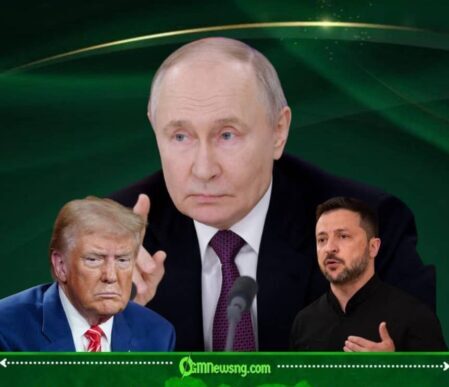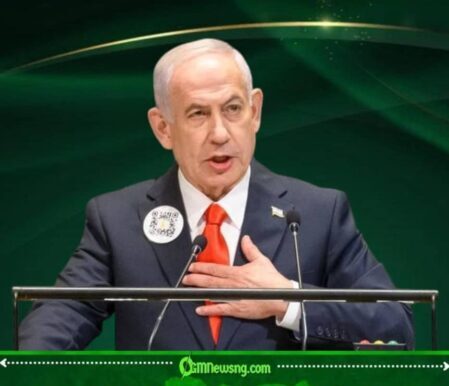









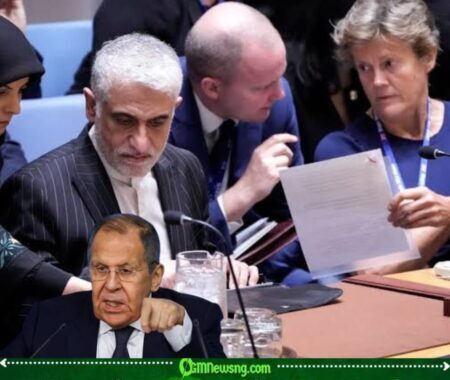
Russian Security Council has warned that ongoing negotiations between the United States and Iran could be a cover for preparations toward a potential ground invasion, raising fresh concerns about the true intentions behind diplomatic engagements. The statement has added a new layer of tension to an already fragile geopolitical environment, where trust between major powers remains limited.
The warning suggests that what appears to be diplomacy on the surface may conceal strategic military planning, a claim that has sparked debate among analysts and policymakers. Such assertions highlight the deep suspicion that continues to shape international relations.
While no direct evidence has been publicly presented, the statement reflects a broader narrative of caution and skepticism surrounding high-stakes negotiations.
Russian Security Council and Strategic Interpretation
Russian Security Council has framed the negotiations as potentially serving dual purposes, combining diplomatic outreach with military positioning. This interpretation reflects longstanding concerns about the use of diplomacy as a strategic tool.
Officials emphasized that history has shown instances where negotiations coincided with military preparations, making it essential to assess actions beyond official statements.
This perspective underscores the importance of vigilance in interpreting international developments, particularly in volatile regions.
Escalating Global Tensions
Russian Security Council has pointed to rising tensions in the Middle East as a key factor in its assessment, noting that any miscalculation could lead to broader conflict. The situation remains highly sensitive, with multiple actors involved.
The possibility of escalation has drawn attention from global observers, who are closely monitoring developments for signs of change.
The environment is marked by uncertainty, where both diplomatic and military actions carry significant implications.
Russian Security Council and International Reactions
Russian Security Council’s warning has prompted varied responses from the international community, with some officials calling for transparency while others have urged caution in interpreting such claims.
The differing reactions reflect the complexity of global politics, where narratives often compete and overlap.
Diplomatic efforts continue, even as concerns about underlying intentions persist.
Implications for Diplomacy and Security
Russian Security Council has suggested that if the warning proves accurate, it could have serious implications for trust in diplomatic processes. The credibility of negotiations would be called into question.
Such developments could also influence how countries approach future talks, potentially leading to increased caution or reluctance.
Security considerations remain at the forefront, as nations seek to balance dialogue with preparedness.
Russian Security Council indicated that it will continue to monitor the situation closely, emphasizing the need for careful analysis of both diplomatic signals and military movements.
The coming weeks may provide greater clarity, as actions and outcomes begin to align more clearly with stated intentions.
Ultimately, the warning highlights the complexities of modern geopolitics, where diplomacy and strategy often intersect in ways that are not immediately visible.
Table of Contents
Discover more from OGM News NG
Subscribe to get the latest posts sent to your email.