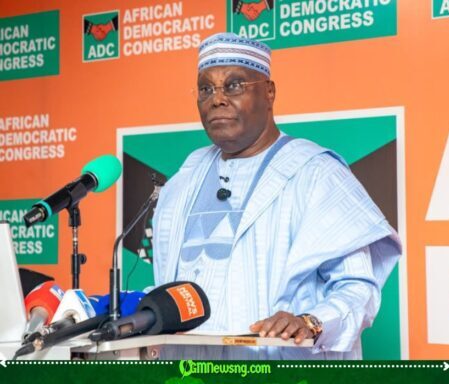






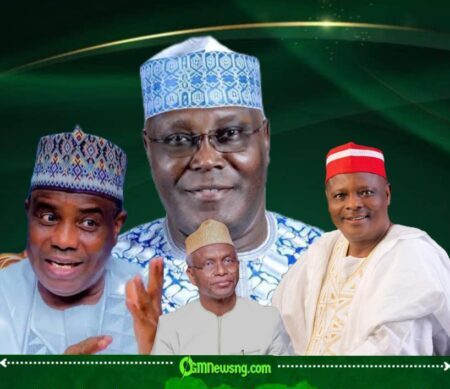
Former Vice President Abubakar Atiku has stirred widespread political conversation after boldly declaring that he is more popular across Northern Nigeria than prominent figures such as Rabiu Kwankwaso, Nasir El-Rufai, and Aminu Tambuwal. The statement, which has quickly gained traction in national discourse, reflects his continued confidence in his political relevance within one of Nigeria’s most influential regions.
Abubakar Atiku’s claim highlights his long-standing presence in Nigerian politics, spanning decades of public service, party leadership, and multiple presidential campaigns. His political network, particularly in Northern Nigeria, is often described as extensive and deeply rooted, giving him a platform to make such a sweeping assertion about his popularity.
Analysts believe that Abubakar Atiku’s statement is not merely rhetorical but part of a broader strategy to reinforce his standing ahead of future political contests. By positioning himself as the most popular Northern politician among his peers, he seeks to consolidate loyalty among supporters while projecting strength to both allies and rivals within Nigeria’s evolving political landscape.
Abubakar Atiku’s Comparison with Northern Political Heavyweights
In comparing himself with Rabiu Kwankwaso, Nasir El-Rufai, and Aminu Tambuwal, Abubakar Atiku has effectively drawn attention to the competitive hierarchy within Northern Nigeria’s political elite. Each of these figures commands significant influence, making the comparison both bold and consequential.
Rabiu Kwankwaso’s political strength lies in his grassroots-driven Kwankwasiyya movement, which has consistently demonstrated resilience and loyalty, particularly in Kano and neighboring states.
Nasir El-Rufai, known for his tenure as Kaduna State governor, has maintained relevance through policy-driven leadership and outspoken political engagement at the national level.
Aminu Tambuwal, with his background as a former Speaker of the House of Representatives and governor of Sokoto State, remains a key figure in consensus politics. Abubakar Atiku’s decision to rank himself above these individuals underscores his belief in his broader appeal, while simultaneously inviting scrutiny from political observers and supporters of these influential Northern leaders.
Political Implications of Abubakar Atiku’s Popularity Claim
The declaration by Abubakar Atiku could significantly influence political calculations as Nigeria moves closer to another election cycle. His assertion of superior popularity may serve to rally his base, attract undecided supporters, and strengthen his bargaining power within party structures and coalition discussions.
In Northern Nigeria, where political allegiance often plays a decisive role in electoral outcomes, such claims can shape narratives and influence public perception. Abubakar Atiku’s statement may also prompt renewed political mobilization among his rivals, each seeking to reaffirm their own relevance and grassroots strength.
Nevertheless, critics argue that popularity remains subjective and difficult to measure in a region marked by diverse political loyalties. While Atiku’s supporters may embrace his claim, opposing camps are likely to challenge it, setting the stage for intensified debate, strategic positioning, and heightened political activity across Northern Nigeria.
Table of Contents
Discover more from OGM News NG
Subscribe to get the latest posts sent to your email.