

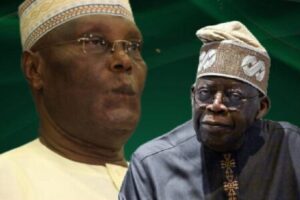




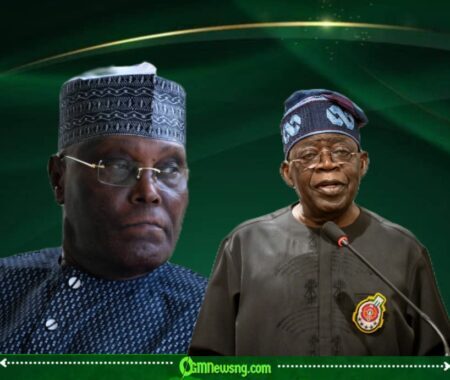
Former Vice President Atiku Abubakar has taken center stage in the national economic debate, issuing a strong warning that current policies under President Bola Ahmed Tinubu are pushing millions of Nigerians deeper into poverty. In a detailed statement, Atiku expressed concern over what he described as the “rapid erosion of living standards,” noting that everyday citizens are bearing the brunt of sweeping economic reforms.
Atiku emphasized that while reforms are often necessary for long-term stability, the current approach lacks human-centered considerations. According to him, the absence of adequate safety nets has left vulnerable populations exposed to rising costs without any meaningful support. He argued that economic planning should prioritize citizens’ welfare alongside fiscal objectives.
Highlighting the severity of the situation, Atiku pointed to growing hunger, job losses, and declining purchasing power as clear indicators of policy failure. He warned that if urgent steps are not taken to address these issues, Nigeria could face deeper socioeconomic crises, including heightened inequality and unrest among struggling populations.
Atiku Abubakar Criticizes Key Economic Reforms
Atiku Abubakar specifically criticized two major policies introduced by the Tinubu administration—the removal of fuel subsidies and the floating of the naira. He argued that these decisions, though potentially beneficial in theory, were implemented without adequate planning or mitigation strategies, thereby triggering widespread economic hardship.
According to Atiku, the immediate consequences of these policies have been severe, including skyrocketing fuel prices, increased transportation costs, and a surge in the prices of essential goods.
He stressed that these developments have made it increasingly difficult for ordinary Nigerians to meet their basic needs, further widening the gap between the rich and the poor.
The former presidential candidate also questioned the pace and sequencing of the reforms, suggesting that a more gradual and structured approach could have minimized their negative impact. He called for urgent policy reviews and the introduction of targeted relief programs to cushion the effects on low-income households and small businesses struggling to survive.
Atiku Abubakar Sparks National Debate on Economic Direction
Atiku Abubakar’s remarks have ignited widespread debate across Nigeria’s political and economic landscape. His criticism has resonated with many citizens who are grappling with rising living costs, while also drawing responses from supporters of President Bola Tinubu, who maintain that the reforms are necessary for long-term economic recovery.
Public reactions have been mixed but largely reflective of growing frustration among Nigerians. Many citizens have echoed Atiku’s concerns, sharing personal accounts of financial strain and reduced quality of life. Civil society groups and economic analysts have also weighed in, with some supporting Atiku’s call for immediate intervention measures.
Despite the criticism, the federal government has continued to defend its policies, insisting that short-term pain is inevitable for long-term gain. However, Atiku Abubakar has maintained his stance, urging the government to rethink its strategy and prioritize policies that directly address poverty and protect the most vulnerable.
As the debate continues, his position remains a focal point in discussions about Nigeria’s economic future.
Table of Contents
Discover more from OGM News NG
Subscribe to get the latest posts sent to your email.