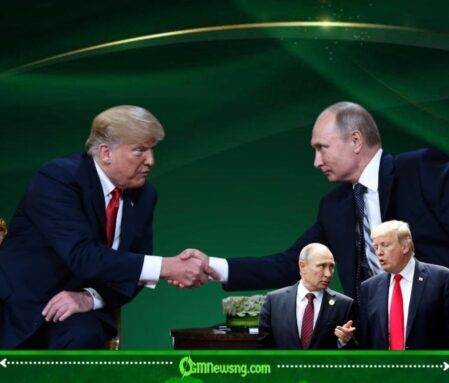









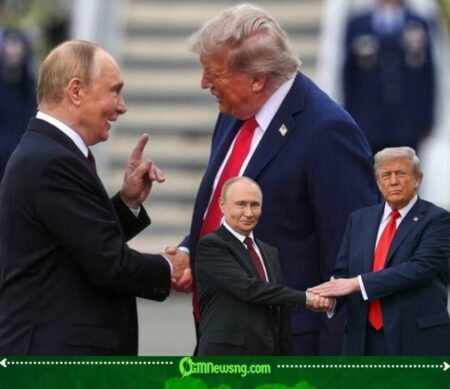
Russia has signaled its readiness to deepen relations with the United States as quickly as Washington is prepared to engage, marking a notable shift in tone amid years of strained diplomacy. Officials in Moscow emphasized that opportunities for cooperation still exist, particularly in areas of mutual strategic interest.
The announcement comes at a time when global tensions remain high, with ongoing geopolitical conflicts shaping the dynamics between major world powers. Analysts suggest that such overtures may reflect a pragmatic approach aimed at stabilizing international relations.
Diplomatic observers note that while rhetoric has softened, concrete steps toward improved ties will depend heavily on policy alignment and mutual trust. Both nations face domestic and international pressures that could either accelerate or hinder progress.
Historical Context and Lingering Tensions
Russia has a long and complex history with the United States, defined by periods of rivalry and cautious collaboration. From the Cold War era to more recent disputes, the relationship has often been shaped by competing global ambitions.
In recent years, tensions have intensified over issues such as cybersecurity, military presence, and regional conflicts. These disagreements have led to sanctions, diplomatic expulsions, and a general erosion of trust between the two nations.
Despite these challenges, past moments of cooperation—such as arms control agreements—demonstrate that dialogue remains possible. Experts argue that revisiting such frameworks could provide a foundation for renewed engagement.
Strategic Interests and Global Implications
Russia has indicated that areas like counterterrorism, arms control, and economic cooperation could serve as starting points for rebuilding relations. These shared interests may offer practical avenues for dialogue even amid broader disagreements.
The global implications of improved U.S.-Russia relations are significant, potentially affecting alliances, security arrangements, and economic policies worldwide. A shift in relations could alter the balance of power in key regions.
Some analysts caution that any rapid improvement in ties must be approached carefully, as misaligned expectations could lead to further misunderstandings. The complexity of international diplomacy requires measured and strategic decision-making.
Russia and Diplomatic Messaging
Russia continues to frame its outreach as a willingness to move forward without preconditions, presenting itself as open to constructive engagement. This messaging is seen by some as an attempt to reposition the country on the global stage.
In Washington, reactions have been mixed, with policymakers weighing the potential benefits of engagement against concerns about past actions and unresolved disputes. The response from U.S. leadership will play a crucial role in shaping the next steps.
Public statements from both sides are likely to influence diplomatic momentum, as tone and language often set the stage for formal negotiations. Observers note that consistent messaging will be key to building confidence.
Challenges to Rebuilding Trust
Russia faces significant obstacles in its efforts to improve relations, including longstanding mistrust and competing geopolitical interests. Rebuilding confidence will require sustained dialogue and tangible actions from both sides.
Key challenges include differing perspectives on international law, regional conflicts, and security concerns. These issues have historically complicated efforts to find common ground.
Experts emphasize that trust cannot be restored overnight, highlighting the importance of incremental progress and verifiable commitments. Without such measures, attempts at rapprochement may falter.
What the Future May Hold
Russia has expressed optimism about the potential for a reset in relations, but much will depend on how quickly and effectively both nations can move from rhetoric to action. The coming months are expected to be critical in determining the trajectory.
Diplomatic channels are likely to remain active, with officials exploring opportunities for dialogue at various levels. Early successes, even if limited, could help build momentum for broader cooperation.
The international community will be watching closely, as any shift in U.S.-Russia relations carries far-reaching consequences. Whether this moment leads to lasting change or proves to be another fleeting overture remains to be seen.
Table of Contents
Discover more from OGM News NG
Subscribe to get the latest posts sent to your email.