







Iran says it will target energy infrastructure and desalination plants across the region if the United States carries out strikes on Iranian power facilities, signaling a sharp escalation in already heightened tensions. Iran’s warning reflects a broader strategy of deterrence, emphasizing that any attack on its critical systems would trigger significant countermeasures affecting both energy supplies and water resources.
The statement comes amid rising fears of a wider confrontation, as both sides exchange warnings over potential military actions. Analysts note that threats involving infrastructure could have far-reaching humanitarian and economic consequences, particularly in regions heavily dependent on desalination for water supply.
Such developments have intensified concerns among global observers, who warn that targeting essential infrastructure may disrupt civilian life on a massive scale and further destabilize an already volatile geopolitical landscape.
Background to Rising Regional Tensions
Iran has been at the center of escalating tensions with the United States, with both nations exchanging warnings over military and strategic actions. Iran has repeatedly emphasized that it will not tolerate attacks on its sovereignty or infrastructure.
The broader Middle East remains a critical zone for global energy production and transport, making any conflict in the region especially consequential for international markets. Disruptions to oil, gas, or water infrastructure could ripple across economies far beyond the immediate area.
Diplomatic efforts to ease tensions have so far yielded limited results, as both sides maintain firm positions on security and regional influence.
Strategic Risks to Energy and Water Systems
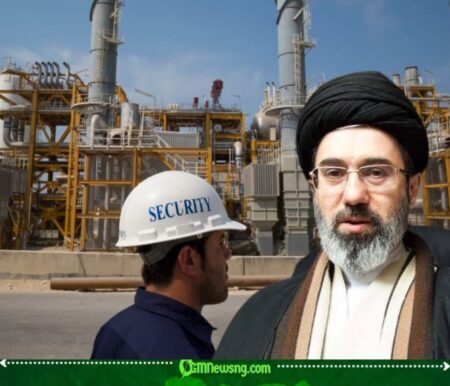
Iran’s warning specifically highlights the vulnerability of energy infrastructure and desalination plants, both of which are essential to sustaining modern economies and populations in the region. Iran’s strategy appears to focus on leveraging these critical systems as points of pressure in the event of conflict.
Desalination plants are particularly vital in arid regions, where they provide the majority of potable water. Any disruption to these facilities could quickly lead to humanitarian crises, affecting millions of people.
Energy infrastructure, including oil refineries, pipelines, and power stations, also plays a central role in global supply chains, meaning that targeted strikes could have cascading economic impacts worldwide.
Potential Military and Economic Consequences
The nation’s stance has raised alarm among defense analysts, who warn that attacks on infrastructure could trigger a broader regional conflict involving multiple actors. Iran’s potential actions may not be limited to direct retaliation but could include indirect or asymmetric responses.
Global markets are already reacting to the possibility of escalation, with energy prices showing signs of volatility. Investors are closely monitoring developments, aware that any disruption to supply routes or production could lead to sharp price increases.
The risk of prolonged instability could also affect international trade, insurance costs, and investment flows, compounding the economic impact of any military confrontation.
Iran and Escalation Dynamics
Iran’s latest warning underscores the delicate balance of deterrence and escalation currently shaping relations with the United States. Iran’s messaging suggests a willingness to respond forcefully while also attempting to discourage initial strikes.
Political leaders and military strategists are weighing the potential consequences of any action, recognizing that miscalculation could quickly spiral into a broader conflict. The situation remains fluid, with both sides signaling readiness while avoiding direct engagement for now.
International actors have called for restraint, urging dialogue to prevent further deterioration of the security environment.
Outlook for Regional Stability and Global Impact
Iran’s declaration highlights the uncertainty surrounding the near-term future of the region, as tensions continue to simmer. Iran’s position indicates that any escalation could extend beyond military targets to include critical civilian infrastructure.
Efforts to de-escalate the situation are likely to intensify, with diplomatic channels playing a crucial role in preventing conflict. However, the path to resolution remains unclear, given the competing interests and deep-rooted mistrust between the parties involved.
The broader global community remains watchful, recognizing that developments in this region have the potential to reshape energy markets, humanitarian conditions, and geopolitical alignments on a significant scale.
Table of Contents
Discover more from OGM News NG
Subscribe to get the latest posts sent to your email.