







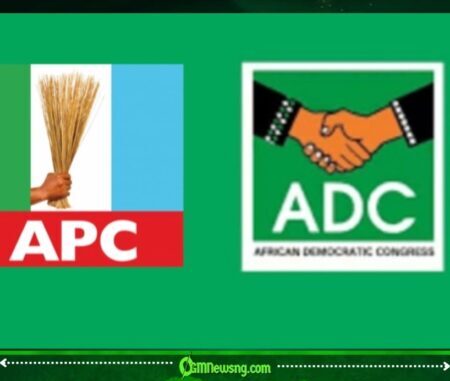
Nigeria’s economic reform programme has come under renewed scrutiny as the African Democratic Congress (ADC) challenges the All Progressives Congress (APC) over claims that current policies are improving the nation’s economy. According to the opposition party, recent data and surveys suggest that living conditions have worsened significantly since the introduction of key reforms under President Bola Tinubu.
The ADC argues that the realities faced by ordinary Nigerians contradict the ruling party’s assurances of progress, pointing instead to rising poverty levels, surging fuel prices, and declining access to basic necessities. The exchange between both parties highlights a growing political debate over whether the government’s economic strategy is delivering meaningful relief or deepening hardship.
Rising Poverty and Conflicting Claims
The ADC has strongly rejected accusations by the APC that it is inciting public dissatisfaction, insisting that its position is based on independent reports and verifiable statistics. In a statement issued by its National Publicity Secretary, Bolaji Abdullahi, the party maintained that facts about worsening poverty cannot be dismissed as political rhetoric.
According to the opposition, Nigeria’s poverty rate has reportedly risen to 63 percent, compared to about 50 percent before the removal of petrol subsidy. The ADC interprets this increase as evidence that millions of Nigerians have been pushed into deeper financial distress within a short period, raising concerns about the effectiveness of current economic policies.
The ruling APC, however, has continued to defend the reforms, arguing that short-term hardship is a necessary phase in achieving long-term economic stability. This divergence in interpretation underscores a broader disagreement about how economic success should be measured—through macroeconomic indicators or the daily experiences of citizens.
Fuel Price Surge and Cost of Living Crisis
A central issue in the debate is the sharp rise in fuel prices following the removal of subsidy. The ADC noted that petrol prices have increased dramatically, from about ₦255 per litre in May 2023 to around ₦1,500 in many parts of the country. This surge, the party argues, has triggered a chain reaction affecting transportation, food prices, and overall cost of living.
The party further cited survey findings indicating widespread public dissatisfaction. According to these figures, a large majority of Nigerians believe the country is moving in the wrong direction, with many describing both the national economy and their personal living conditions as poor. The ADC emphasised that these views reflect the lived realities of citizens rather than partisan narratives.
Beyond fuel costs, the broader inflationary pressure has placed essential goods and services increasingly out of reach for many households. The cumulative effect, according to analysts, is a steady erosion of purchasing power and a decline in overall quality of life.
Questions Over Subsidy Savings and Public Spending By ADC
The ADC also questioned the government’s claims that funds saved from the removal of fuel subsidy are being redirected into critical sectors such as healthcare and social development. While the APC maintains that these savings are supporting national development, the opposition has raised concerns about transparency and accountability.
Citing budgetary data, the ADC pointed out that only a small fraction of allocated funds was reportedly released for capital projects in the federal healthcare sector. This, the party argued, raises legitimate questions about how subsidy savings are being utilised and whether they are reaching sectors that directly impact citizens’ welfare.
In addition, the opposition highlighted survey data suggesting that a significant proportion of Nigerians have struggled to access basic needs such as food, medical care, clean water, and stable income over the past year. These findings, the ADC contends, point to structural economic distress rather than temporary hardship.
The ongoing exchange between the ADC and APC reflects a deeper national conversation about economic policy, governance, and accountability. While the government continues to defend its reform agenda as necessary for long-term growth, critics argue that immediate human costs cannot be overlooked.
As Nigerians navigate rising living costs and economic uncertainty, the debate is likely to intensify, with increasing demand for clear evidence that reforms are delivering tangible benefits. The challenge for policymakers remains balancing macroeconomic goals with the urgent need to improve everyday living conditions.
Table of Contents
Discover more from OGM News NG
Subscribe to get the latest posts sent to your email.