


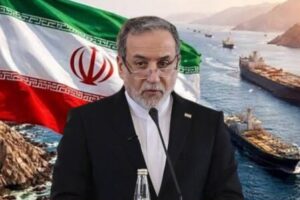




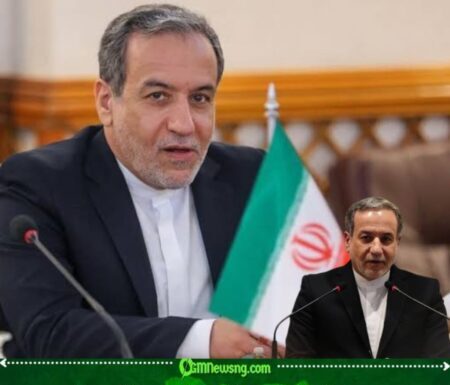
Iranian Foreign Minister Araghchi said that negotiating with the United States is no longer an option, signaling a sharp shift in diplomatic tone amid escalating tensions between Washington and Tehran. His remarks suggest that Iranian leadership now sees little value in continuing dialogue under the current geopolitical circumstances.
Diplomatic relations between Iran and the United States have been strained for decades, shaped by cycles of confrontation, sanctions, and intermittent negotiations. In recent years, attempts at dialogue have faced repeated setbacks as both sides accuse each other of failing to meet commitments.
Iranian Foreign Minister Araghchi’s statement reflects a growing frustration within Tehran’s leadership, where officials argue that past negotiations have not delivered the expected relief from economic and political pressures imposed by the United States.
Rising Diplomatic Tensions
Iranian Foreign Minister Araghchi emphasized that recent developments in the region have hardened Iran’s position toward Washington. He suggested that trust between the two governments has deteriorated to a level where meaningful negotiations are no longer feasible.
Political observers say tensions have intensified following a series of confrontations involving sanctions, military activity, and competing alliances across the Middle East. These developments have complicated diplomatic channels that previously allowed limited dialogue between the two countries.
According to regional analysts, the absence of negotiations could increase uncertainty about how future disputes might be resolved, particularly when both sides remain firm in defending their strategic interests.
Iranian Foreign Minister Araghchi Signals Harder Stance
Iranian Foreign Minister Araghchi indicated that Iran is prepared to pursue alternative diplomatic strategies that do not rely on direct engagement with the United States. Instead, Tehran may focus on strengthening relationships with other international partners.
Experts note that countries facing diplomatic isolation often attempt to diversify alliances in order to reduce reliance on a single negotiating partner. This approach could reshape Iran’s foreign policy priorities in the coming years.
Iranian Foreign Minister Araghchi’s remarks also appear aimed at sending a message to domestic audiences, reinforcing the idea that Iran will not negotiate under conditions it considers unfair or coercive.
Regional Reactions and Concerns
Many governments across the Middle East are closely watching the situation, aware that the absence of dialogue between Washington and Tehran could affect regional stability. Diplomatic efforts by other countries may increase as they seek to prevent further escalation.
International organizations have frequently encouraged dialogue as a means of reducing tensions in the region. Without negotiations, there is concern that misunderstandings or miscalculations could become more likely.
Iranian Foreign Minister Araghchi acknowledged that regional stability remains an important priority, but stressed that Iran believes its security interests must be protected first.
Global Diplomatic Implications
Iranian Foreign Minister Araghchi noted that international diplomacy is rarely static, suggesting that geopolitical conditions can change rapidly. While negotiations with Washington may currently be off the table, the broader global landscape will continue to influence Iran’s decisions.
Foreign policy analysts say that developments involving major global powers could play a role in shaping future diplomatic opportunities. Economic partnerships, energy markets, and security arrangements all factor into how countries evaluate their options.
Iranian Foreign Minister Araghchi’s comments underscore the complexity of international diplomacy, where decisions made today can have long-lasting consequences for regional and global politics.
Looking Ahead at Future Possibilities
Despite the firm tone of recent statements, many observers believe that diplomatic channels often remain open in indirect ways, even when formal negotiations are suspended. Back-channel communication has historically played a role in easing tensions during difficult periods.
Governments in Europe and Asia may attempt to facilitate dialogue or propose new frameworks that encourage compromise between opposing sides. Such efforts could help prevent further deterioration in relations.
For now, however, Iran’s leadership appears determined to maintain its current position, emphasizing national sovereignty and strategic independence as central principles guiding its foreign policy.
Table of Contents
Discover more from OGM News NG
Subscribe to get the latest posts sent to your email.