









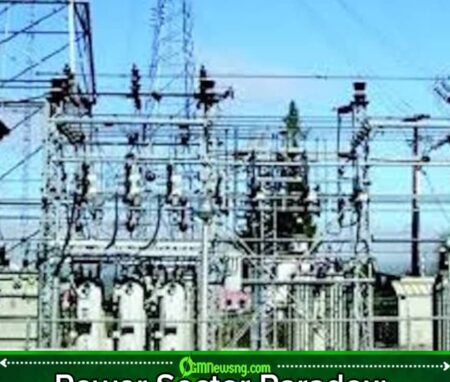
Electricity distribution companies (DisCos) in Nigeria are projected to rake in about ₦2.3 trillion in revenue, even as millions of consumers across the country continue to grapple with irregular electricity supply, frequent outages, and persistent billing disputes.
The figure, derived from regulatory data and industry projections, reflects a sharp rise in revenue within the power distribution segment despite long-standing complaints about poor service delivery and limited infrastructure improvements. Observers say the development highlights a growing contradiction in Nigeria’s electricity sector, where consumer payments and tariffs have risen significantly while power reliability remains inconsistent.
The rising earnings of (DisCos) have also triggered renewed debates about accountability in the power sector, with regulators and government officials questioning whether the distribution companies are reinvesting sufficiently to improve electricity supply nationwide.
Rising Revenue in Nigeria’s Power Distribution Sector
Recent figures from the Nigerian Electricity Regulatory Commission (NERC) show that electricity distributors have experienced a remarkable increase in collections over the past two years. Revenue in the sector rose from about ₦1 trillion in 2023 to roughly ₦1.7 trillion in 2024, with projections suggesting the total could reach about ₦2.3 trillion by the end of 2025.
Data from the regulator also indicate that the revenue growth has been driven largely by tariff adjustments and improved billing mechanisms, particularly after the introduction of higher tariffs for premium electricity customers classified under the Band A category. These consumers are expected to receive at least 20 hours of electricity daily under the regulatory framework.
Monthly collections have continued to rise steadily. For instance, electricity distributors generated about ₦1.713 trillion between January and September 2025 alone, reflecting the strongest financial performance recorded since the power sector was privatised more than a decade ago.
Despite this strong financial performance, analysts say the increased revenue from DisCos has not translated into commensurate improvements in power supply, leading to widespread dissatisfaction among consumers.
Persistent Power Supply Challenges
Across Nigeria, households and businesses continue to report erratic electricity supply, voltage fluctuations, and frequent outages, conditions that have persisted even as collections by distribution companies rise. Regulatory reports show that supply instability remains a defining feature of the sector despite modest improvements in grid management.
Industry data reveal that power distributors often collect a large proportion of billed revenue even during periods of reduced electricity delivery. For example, in December 2025 alone, DisCos reportedly billed customers ₦258.66 billion and recovered about ₦207.49 billion, despite a drop in electricity supplied to the grid that month.
Experts say the mismatch between rising revenue and unstable electricity supply reflects structural weaknesses across the entire electricity value chain. Nigeria still struggles with limited transmission capacity, ageing infrastructure, and a large metering gap, leaving millions of consumers on estimated billing systems.
As a result, many homes and businesses continue to rely heavily on petrol and diesel generators to meet their energy needs, significantly increasing operating costs and reducing economic productivity.
Government Concerns and Calls for Greater Investment
Officials within the Federal Government have openly criticised distribution companies for failing to reinvest sufficiently in infrastructure and technical capacity. The Minister of Power has argued that although revenues in the sector have surged, investment in network expansion, metering, and manpower development has lagged behind expectations.
One major concern is the metering gap, which leaves nearly seven million electricity consumers without prepaid meters and exposed to estimated billing. Regulators believe closing this gap could improve transparency, reduce billing disputes, and enhance revenue accountability within the sector.
The government has therefore launched initiatives to improve the situation, including plans to procure millions of electricity meters and implement new regulatory reforms aimed at improving the financial viability and operational performance of the power sector.
However, industry stakeholders warn that deeper structural reforms—particularly in transmission infrastructure and distribution networks—may be necessary before Nigerians can experience significant improvements in electricity reliability.
Table of Contents
Discover more from OGM News NG
Subscribe to get the latest posts sent to your email.