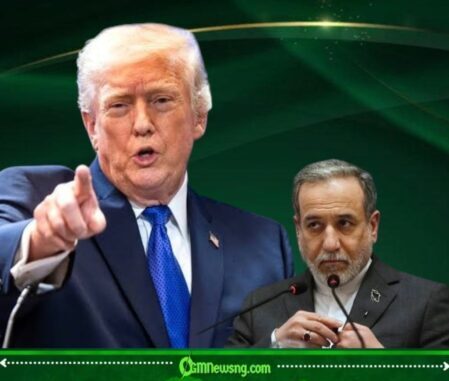






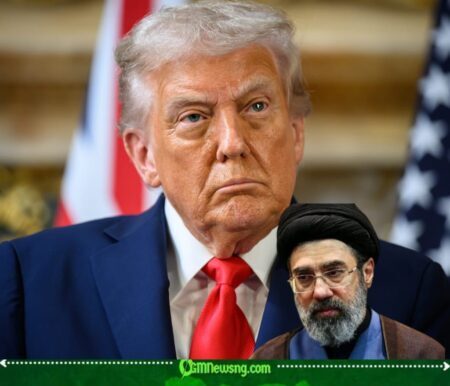
President Donald Trump said he is “not happy” that Mojtaba Khamenei has been selected as Iran’s new Supreme Leader, signaling concern about how the leadership transition could shape future relations between Tehran and Washington. The former president suggested that the appointment could influence regional stability and international diplomacy, particularly at a time when tensions in the Middle East remain high.
Iran’s leadership change has drawn attention from governments around the world, as the Supreme Leader holds enormous authority over the country’s political, military, and religious institutions. The selection of a new figure to guide the Islamic Republic often signals potential shifts in policy, strategy, and international engagement.
President Donald Trump’s reaction has sparked debate among analysts and political observers who are closely watching how the leadership transition might affect geopolitical dynamics across the Middle East.
Global Reactions to Iran’s Leadership Transition
President Donald Trump expressed concern that the appointment of Mojtaba Khamenei could signal continuity in Iran’s political direction rather than a shift toward reform. His comments reflect broader questions among international leaders about what the leadership change might mean for regional diplomacy.
Many countries are monitoring the situation carefully, recognizing that Iran’s leadership decisions can influence conflicts, alliances, and negotiations throughout the region. Governments often assess such developments to determine how their own policies may need to adapt.
President Donald Trump’s remarks have added another layer of political discussion, particularly among those who believe the new leadership could shape the next phase of U.S.–Iran relations.
President Donald Trump and the Strategic Implications
President Donald Trump suggested that the selection of Mojtaba Khamenei may have long-term strategic consequences. He argued that leadership transitions in powerful nations often set the tone for foreign policy decisions and regional alliances.
Political analysts note that the Supreme Leader in Iran wields substantial authority, including influence over military decisions, nuclear policy, and diplomatic relations. For that reason, any change in the position attracts intense global attention.
President Donald Trump emphasized that the United States should remain vigilant and prepared to respond to any policy changes that may emerge under the new leadership.
Understanding the Role of the Supreme Leader
President Donald Trump highlighted that the position of Supreme Leader carries extraordinary power within Iran’s political system. The individual who holds the office guides national strategy and maintains influence over key institutions.
Observers note that the Supreme Leader’s role often shapes the country’s relationship with the international community. Decisions made by this office can affect diplomatic negotiations, military strategies, and economic policies.
President Donald Trump argued that leadership transitions can either open opportunities for dialogue or reinforce existing tensions, depending on how the new leader approaches international relations.
Regional Stability and Diplomatic Challenges
President Donald Trump said the appointment of Mojtaba Khamenei raises important questions about stability in the Middle East. The region remains a focal point for global politics due to ongoing conflicts, strategic alliances, and economic interests.
Experts believe that Iran’s leadership decisions often influence relationships with neighboring countries and major world powers. As a result, global leaders are watching closely for signs of policy direction under the new Supreme Leader.
President Donald Trump noted that maintaining international awareness and preparedness is essential during moments of political transition.
Looking Ahead to Future Relations
President Donald Trump said the coming months will likely reveal how Mojtaba Khamenei intends to lead Iran and whether his policies will affect global diplomacy. Leadership transitions often bring both uncertainty and new opportunities for dialogue.
Diplomatic analysts say that early signals from new leaders can shape the tone of international relationships. Governments frequently study statements, policy decisions, and diplomatic outreach during the initial period of leadership.
President Donald Trump concluded that while the leadership change is significant, the broader goal should remain stability, careful diplomacy, and protecting national interests as the global community watches developments in Iran closely.
Table of Contents
Discover more from OGM News NG
Subscribe to get the latest posts sent to your email.