








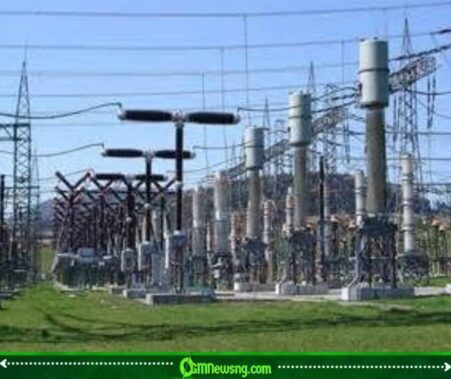
Electricity generation has dropped significantly to about 3,940 megawatts (MW) following a fresh gas supply crisis affecting several thermal power plants across the country. The decline has once again exposed the fragile nature of the nation’s power sector, where most generating stations rely heavily on gas to produce electricity.
Industry operators say the shortage has forced some power plants to reduce output or temporarily shut down units, worsening electricity supply nationwide. The development has triggered renewed concerns among consumers, businesses, and energy experts about the sustainability of Nigeria’s power infrastructure and the urgent need for reforms in gas supply and distribution.
Gas Shortage Disrupts Thermal Power Plant Electricity
Nigeria’s power generation system depends largely on gas-fired power plants, which account for the majority of the electricity supplied to the national grid. When gas supply becomes unstable, the immediate consequence is a reduction in power generation capacity.
Energy sector officials explained that several generation companies have been unable to receive adequate gas due to disruptions in supply and infrastructure challenges. In some cases, pipeline maintenance, operational faults, and payment disputes between gas suppliers and power producers have also contributed to the shortages.
As a result, available electricity on the national grid dropped to around 3,940MW, far below the country’s estimated demand, which experts say exceeds 20,000MW. The shortfall has intensified pressure on the already strained power sector, leaving many communities with reduced power supply.
Impact on Businesses and Households for Electricity
The decline in power generation is already being felt across homes and businesses, particularly in urban centers where power Input demand remains high. Many residents have reported longer periods of outages, forcing households and small businesses to rely more heavily on fuel-powered generators.
For manufacturers and commercial enterprises, the situation presents additional operational costs. Increased reliance on diesel or petrol generators raises production expenses, which could ultimately lead to higher prices for goods and services.
Energy analysts warn that if the gas supply challenges persist, the power crisis could worsen in the coming weeks. They emphasize that improving gas infrastructure, ensuring reliable payment systems in the electricity market, and strengthening coordination between gas producers and power companies are crucial steps toward stabilizing electricity supply.
Calls for Long-Term Energy Sector Reforms
Experts have repeatedly argued that Nigeria must diversify its electricity generation sources to reduce dependence on gas-fired plants. While gas remains abundant in the country, challenges related to infrastructure, security, and market liquidity often disrupt its availability for power generation.
Renewable energy options such as solar and hydroelectric power have been suggested as viable alternatives that could complement gas-powered generation. Expanding investment in these areas, analysts say, would help build a more resilient Energy system capable of withstanding supply disruptions.
Government officials and industry stakeholders continue to discuss measures aimed at improving gas delivery to power plants and stabilizing the national grid. However, many observers insist that long-term structural reforms will be necessary to prevent recurring power generation shortfalls.
Table of Contents
Discover more from OGM News NG
Subscribe to get the latest posts sent to your email.