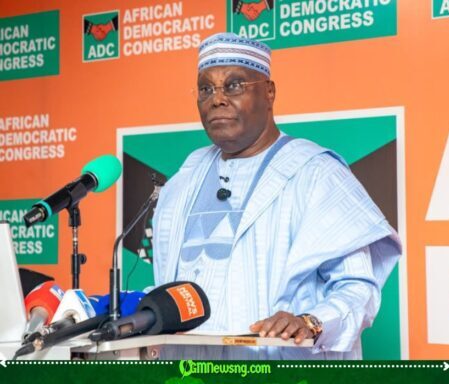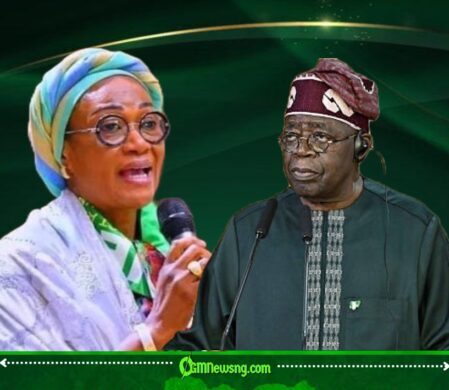







The Independent National Electoral Commission (INEC) has expressed concern that persistent leadership battles and prolonged internal disputes within political parties are diverting its attention from core electoral planning and contributing to growing voter apathy ahead of Nigeria’s 2027 general elections.
INEC Chairman, Professor Joash Amupitan, SAN, made the remark at the opening of a three-day Technical Review Workshop in Ikot Ekpene, Akwa Ibom State. The workshop marked the beginning of a comprehensive review of the Commission’s Regulations and Guidelines for Political Parties in line with provisions of the Electoral Act 2026.
According to an official INEC bulletin obtained in Abuja, the workshop is being conducted with support from the Westminster Foundation for Democracy (WFD). The initiative is designed to strengthen Nigeria’s electoral framework and improve compliance with the new law as the country gradually begins preparations for the next general elections.
Amupitan emphasized that the standard of internal democracy within political parties significantly affects the credibility and smooth conduct of elections. He noted that legal battles arising from party primaries and leadership conflicts frequently draw the Commission into avoidable litigation.
“Each day spent defending avoidable intra-party disputes is a day diverted from our primary mandate of election planning,” Amupitan said, stressing that while INEC remains politically neutral, it will continue to enforce electoral regulations firmly and consistently.
Revised Electoral Guidelines to Promote Transparency and Inclusion
As part of the review process, INEC announced plans to introduce stricter regulatory standards aimed at strengthening transparency and accountability within political parties. The revised guidelines are expected to address issues relating to party finances, membership records, and broader participation in party activities.
According to the Commission, the updated framework will also emphasize the inclusion of women, young people, and Persons with Disabilities in political party structures and decision-making processes.
“We are not just editing a document,” Amupitan said during the workshop. “We are aligning our Regulations and Guidelines with the Electoral Act 2026 to ensure that our electoral architecture is not only robust in theory but effective in practice.”
The INEC chairman further disclosed that the Commission has already outlined a tentative timetable for the 2027 elections. Under the schedule, presidential and National Assembly elections are slated for January 16, 2027, while governorship and state assembly elections will take place on February 6, 2027.
Political parties are expected to conduct their primaries between April 23 and May 30, 2026.
Dr. Baba Bila, National Commissioner and Chairman of the Election and Party Monitoring Committee, described the regulatory review as a strategic step. He noted that the current guidelines require significant amendments to align them fully with the new Electoral Act.
Meanwhile, Country Director of WFD Nigeria, Adebowale Olorunmola, called on political parties to strengthen internal democracy and inclusiveness, stressing that credible party structures are essential for maintaining the integrity of the 2027 electoral process.
Political Parties Push Back, Cite Trust Deficit In INEC
Despite INEC’s concerns, several political actors have challenged the Commission’s position, arguing that voter apathy stems more from declining public confidence in the electoral system than from internal party disputes.
The National Working Committee of the New Nigeria Peoples Party (NNPP) acknowledged that internal party conflicts can create administrative complications but insisted that the larger issue lies in rebuilding public trust in Nigeria’s electoral process.
Speaking on the matter, NNPP National Publicity Secretary Bamofin Ladipo Johnson said that while INEC is often joined in pre-election litigation and may face legal burdens as a result, the Commission must address the deeper credibility concerns surrounding elections in the country.
“It is understandable that INEC complains about the disturbances caused by internal party disputes,” Johnson said. “Because the Commission is often joined as a necessary party in these suits, it inevitably drains their time and resources.”
However, he maintained that restoring confidence in election outcomes is the key to increasing voter participation, arguing that Nigerians must believe that their votes genuinely count.
Analysts say the exchange highlights the growing debate over electoral reforms and institutional accountability as Nigeria moves toward another election cycle.
Table of Contents
Discover more from OGM News NG
Subscribe to get the latest posts sent to your email.