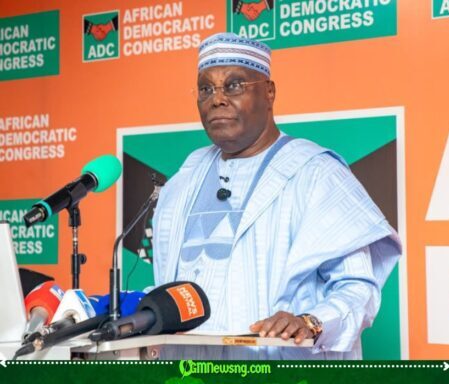










A fresh debate has emerged in Nigeria’s political landscape following concerns raised by the spokesperson of the African Democratic Congress (ADC), Bolaji Abdullahi, over the feasibility of meeting new electoral requirements ahead of the 2027 general elections. Abdullahi argued that conditions outlined by the Independent National Electoral Commission (INEC) may prove difficult for opposition parties to fulfill within the stipulated timeline, particularly the requirement for a fully digitalised membership register across all 36 states of the federation.
His remarks have reignited conversations about preparedness, fairness, and the administrative demands placed on political parties as the country gradually moves toward another electoral cycle.
INEC Timetable and Legal Requirements for all Party’s
The concerns stem from the timetable recently released by Independent National Electoral Commission, which outlines activities and deadlines political parties must meet to qualify for participation in the 2027 elections. Among the key requirements is the submission of a comprehensive digital membership register covering all 36 states when notifying the commission of planned congresses or conventions.
According to Abdullahi, the Electoral Act expects parties to complete this digitalisation process within roughly 32 days. He described the timeline as “almost practically impossible,” noting that building a credible, state-by-state digital membership database involves extensive coordination, data verification, and technological deployment.
The ADC spokesperson maintained that while the party is committed to compliance, the short timeframe places significant pressure on smaller or less-resourced political organisations.
Comparisons With the Ruling Party’s Preparation/Against ADC Party
Abdullahi further pointed to the preparedness of the ruling All Progressives Congress (APC), stating that the party began its membership registration exercise as far back as February 2025. He added that the APC reportedly engaged consultants to develop a digital membership platform well ahead of the 2027 elections.
He argued that what allegedly took the ruling party more than a year to accomplish is now expected of other political parties within one month. In his view, this raises questions about equal opportunity and operational fairness in the pre-election environment for there beloved party ADC.
The APC has not formally responded to the ADC’s specific claims. However, political observers note that larger parties often have broader financial and administrative capacity, which may influence their readiness for compliance with regulatory standards.
Broader Political Implications
The development highlights the growing emphasis on digital transparency and internal democracy within Nigeria’s party system. Analysts suggest that digital membership registers could enhance accountability, reduce disputes during primaries, and improve record-keeping. Nevertheless, they caution that implementation timelines must consider practical realities across diverse political parties.
As preparations for the 2027 general elections gather momentum, the debate may prompt further dialogue between political stakeholders and INEC regarding timelines, support mechanisms, and regulatory clarity.
For now, the ADC’s position reflects wider concerns among emerging parties seeking to strengthen their structures while navigating evolving legal and technological requirements.
Table of Contents
Discover more from OGM News NG
Subscribe to get the latest posts sent to your email.