




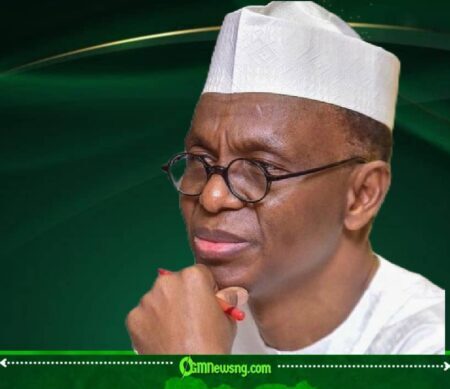
Ex-Governor Nasir El-Rufai has once again taken center stage in Nigeria’s political discourse following his arrest by the Department of State Services (DSS) shortly after his release from the Economic and Financial Crimes Commission (EFCC). The rapid turn of events has intensified public attention, with many Nigerians closely following developments surrounding the former Kaduna State leader.
Ex-Governor Nasir El-Rufai, who had been undergoing questioning at the EFCC over matters reportedly linked to his tenure in office, was said to have regained temporary freedom before being taken into custody again. The development has sparked widespread reactions across political, legal, and civil society communities.
Political analysts say Ex-Governor Nasir El-Rufai’s arrest underscores the heightened scrutiny facing former public officials in Nigeria. As details continue to emerge, the situation remains fluid, with stakeholders awaiting official clarification on the grounds for the DSS intervention.
Ex-Governor Nasir El-Rufai and the Sequence of Security Actions
Ex-Governor Nasir El-Rufai had earlier honored an invitation from the EFCC, where he was reportedly interrogated over alleged financial and administrative issues connected to his time as Kaduna State governor. After several hours of questioning, he was released, prompting reactions from supporters and political associates.
However, shortly after departing the EFCC facility, Ex-Governor Nasir El-Rufai was taken into custody by DSS operatives. The swift sequence of actions surprised many observers and quickly dominated national headlines, fueling speculation and debate about the coordination between security agencies.
Legal experts note that while the EFCC focuses primarily on economic and financial crimes, the DSS operates with a broader mandate relating to national security. The involvement of multiple agencies in matters concerning Ex-Governor Nasir El-Rufai highlights the complex nature of high-profile investigations in Nigeria.
Political and Legal Implications for Ex-Governor Nasir El-Rufai
The arrest of Ex-Governor Nasir El-Rufai has triggered diverse reactions from political stakeholders across party lines. Allies have called for transparency and due process, while critics argue that accountability mechanisms must be allowed to function independently without interference.
From a legal perspective, Ex-Governor El-Rufai retains full constitutional rights, including access to legal counsel and the presumption of innocence until proven otherwise.
Analysts emphasize that the handling of his case will be closely examined as a measure of institutional fairness and adherence to the rule of law.
The unfolding developments could also have broader political consequences. As a prominent national figure, Ex-Governor Nasir El-Rufai’s legal challenges may influence political alignments and public narratives ahead of future electoral cycles. National Reactions and What Lies Ahead for Ex-Governor El-Rufai
Public reaction to the arrest of Ex-Governor Nasir El-Rufai has been swift, particularly on social media platforms where discussions about governance, accountability, and political rivalry continue to trend. Citizens are demanding clarity from authorities regarding the nature of the allegations and the legal process involved.
Governance experts argue that the case presents a critical moment for Nigeria’s democratic institutions. The transparency with which matters involving Ex-Governor El-Rufai are handled may either strengthen public confidence or deepen skepticism about the country’s accountability structures.
As investigations proceed, Ex-Governor El-Rufai remains at the center of one of Nigeria’s most closely watched political and legal developments. The coming days are expected to provide further clarity on the direction of the case and its implications for Nigeria’s political landscape.
Table of Contents
Discover more from OGM News NG
Subscribe to get the latest posts sent to your email.