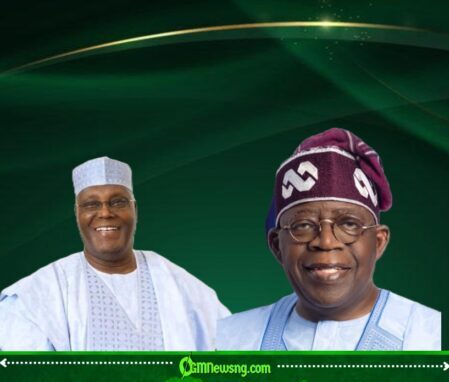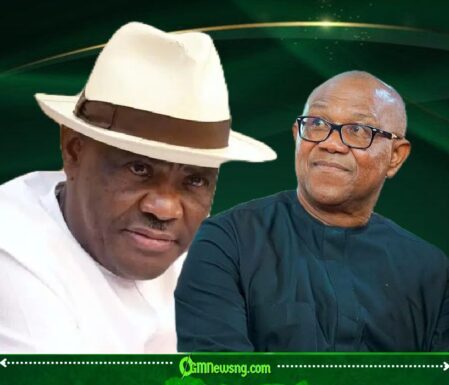
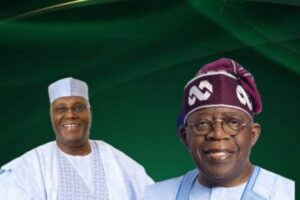

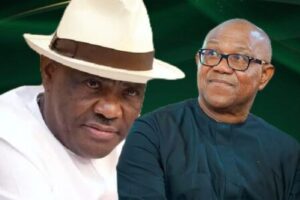




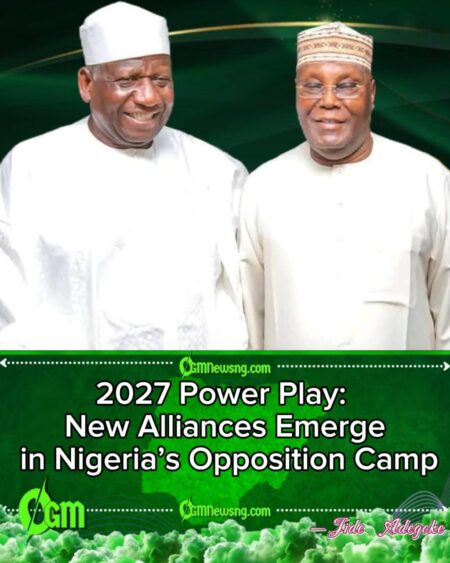
With Nigeria’s 2027 general elections gradually creeping into view, political realignments within the opposition camp have begun to gather momentum. Former Vice President Atiku Abubakar’s recent meeting with the National Chairman of the Action Democratic Party (ADP) has ignited fresh speculation about an emerging coalition aimed at challenging the ruling establishment. The development coincides with growing rumours of a possible joint ticket between Labour Party’s Peter Obi and New Nigeria Peoples Party (NNPP) leader Rabiu Kwankwaso.
Political observers say the flurry of consultations reflects a renewed determination among opposition figures to avoid the fragmentation that undermined their chances in 2023. Although none of the major actors has formally declared intentions, the pace of engagements suggests that behind-the-scenes negotiations are already shaping the battle between former president Atiku Abubakar for 2027.
Atiku–ADP Talks and the Search for a Viable Platform
Sources close to the ADP confirmed that Atiku’s visit was part of broader outreach to smaller parties with nationwide structures. The former presidential candidate is believed to be exploring options beyond the Peoples Democratic Party (PDP), where internal divisions continue to weaken cohesion. ADP officials described the meeting as “fruitful,” insisting that discussions centred on national unity, economic recovery, and the need for credible leadership.
Analysts note that Atiku has historically favoured coalition politics and could be positioning himself as a consensus builder among disparate opposition blocs. The ADP, though not a dominant force, commands pockets of influence in several states and could offer strategic value in a merged platform. However, questions remain over whether the party would surrender its identity to accommodate a heavyweight like Atiku.
Obi–Kwankwaso Ticket: Possibility or Political Fantasy?
Parallel to Atiku’s moves, conversations about a Peter Obi–Rabiu Kwankwaso alliance have intensified on social media and within political circles. Supporters of both men argue that a united front could galvanise Nigeria’s youthful electorate and present a credible alternative to the traditional parties. Neither Obi nor Kwankwaso has confirmed talks, yet their aides have avoided outright denials, further fuelling conjecture.
Strategists caution that ideological differences and questions of who leads the ticket could complicate any merger. Kwankwaso retains strong influence in Kano and parts of the North-West, while Obi enjoys significant followership in the South-East and urban centres. Bridging regional interests, party structures, and personal ambitions will require delicate negotiation if the rumoured alliance is to move beyond speculation.
Implications for Nigeria’s Political Landscape
The emerging manoeuvres underscore a recognition within the opposition that disunity remains its greatest obstacle. The 2023 election exposed how divided votes among major challengers handed advantage to the ruling party. Many civil society voices are therefore urging leaders to prioritise national interest over individual ambition as 2027 approaches.
Yet, sceptics warn that early permutations often collapse under the weight of ego and mistrust. Whether Atiku’s engagement with the ADP and the Obi–Kwankwaso rumours translate into a coherent coalition will depend on transparent agreements, power-sharing formulas, and a unifying policy agenda capable of inspiring voters across Nigeria’s diverse regions.
Table of Contents
Discover more from OGM News NG
Subscribe to get the latest posts sent to your email.