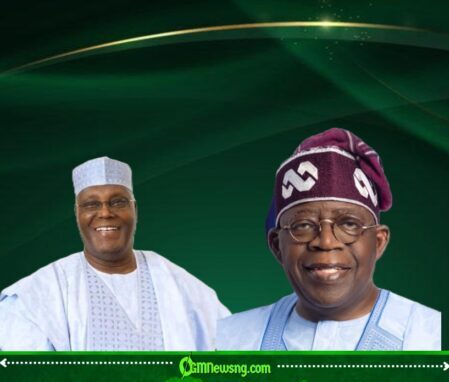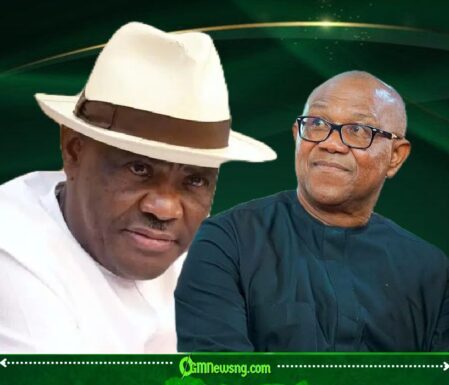




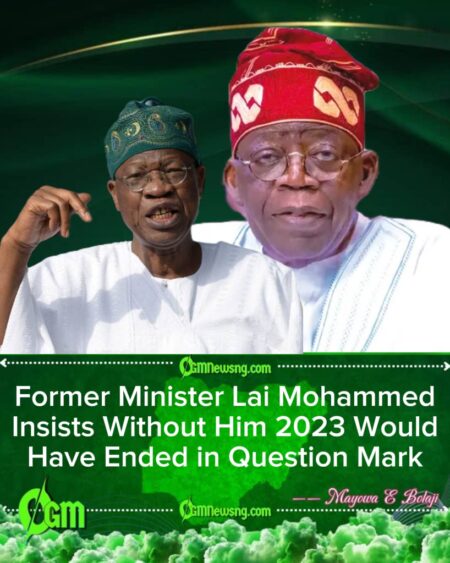
Former Minister of Information and Culture, Lai Mohammed, has declared that his carefully designed media strategy was a decisive factor in President Bola Ahmed Tinubu’s victory in the 2023 general elections. Speaking at a policy forum in Abuja, the ex-minister said the All Progressives Congress (APC) entered the election season with a communication blueprint that neutralised opposition propaganda and projected Tinubu as the most prepared candidate. According to him, the battle for the soul of Nigeria was first won in the media space before it was sealed at the ballot box.
Mohammed explained that the strategy revolved around agenda setting, rapid response to misinformation, and the aggressive promotion of Tinubu’s track record as Lagos governor and party leader. He noted that in an era dominated by social media narratives, elections are no longer decided solely by rallies but by perception management. “We understood early that whoever controls the narrative controls the electorate,” he said, adding that the campaign invested heavily in digital engagement and grassroots storytelling.
The former minister dismissed claims that the election was determined by state power, insisting that messaging discipline was the real game changer. He argued that the opposition underestimated the influence of structured communication and relied too much on emotional attacks.
Mohammed maintained that the APC campaign succeeded because it presented a consistent message of hope, economic recovery, and national unity anchored on Tinubu’s “Renewed Hope” agenda.
Combating Fake News and Opposition Narratives
A major pillar of the strategy, Mohammed revealed, was the fight against fake news targeted at discrediting Tinubu. He recalled how, months before the election, a series of allegations about the candidate’s health, age, and finances flooded online platforms. The campaign team, he said, created a fact-checking war room that responded within minutes to trending stories, preventing them from gaining legitimacy among undecided voters.
He further stated that partnerships with traditional media houses helped to balance the often toxic social media environment. Town-hall meetings, radio programmes, and documentary features were deployed to humanise Tinubu and showcase his policy direction. Mohammed argued that many Nigerians who eventually voted for the APC did so after being exposed to these carefully curated contents rather than the viral rumours pushed by opponents.
The ex-minister also credited young communication experts within the party for understanding the language of the new generation. Short videos, infographics, and influencer collaborations were used to penetrate urban centres where the APC initially faced resistance. “We spoke to Nigerians in the platforms they trusted, not just through press releases,” he noted, insisting that this approach weakened the momentum of rival candidates.
Reactions, Controversies, and Lessons for Future Elections
Mohammed’s claim has generated mixed reactions across the political spectrum. Supporters of the APC have hailed him as the unseen strategist who stabilised the campaign during turbulent moments, while critics argue that the 2023 election was influenced more by incumbency advantages than media brilliance. Civil society groups have called for deeper interrogation of the role of government communication machinery in partisan contests.
Political analysts say the statement reopens the debate on whether state information platforms were used to favour the ruling party. Some opposition figures insist that the media environment was skewed, citing the suspension of certain broadcast stations and the regulation of online content during the election period. Mohammed, however, rejected these allegations, describing them as excuses from parties that failed to organise effectively.
Regardless of the controversy, experts agree that the 2023 polls marked a turning point in Nigeria’s digital politics. The election demonstrated the growing power of narrative engineering, data-driven messaging, and influencer culture. As preparations begin for future elections, many strategists are already studying the APC model as a template for how modern campaigns can be won long before the first ballot is cast.
Table of Contents
Discover more from OGM News NG
Subscribe to get the latest posts sent to your email.