








The African Democratic Congress (ADC) on Monday inaugurated its new national secretariat in Abuja, marking what party leaders described as a strategic step in consolidating its role within Nigeria’s opposition politics.
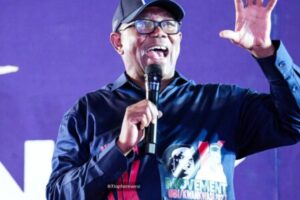
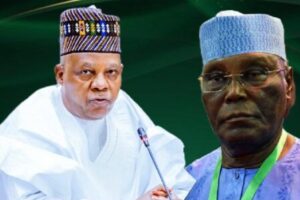
The event, held at the refurbished complex in the nation’s capital, was notably without the presence of former Vice President Atiku Abubakar and Labour Party’s 2023 presidential candidate, Peter Obi. Both men have been at the centre of ongoing efforts by the ADC to woo major opposition figures into its fold, as part of a broader coalition aimed at challenging President Bola Tinubu in the 2027 general elections.
Adding to the political symbolism of the day, it emerged that the new ADC headquarters was previously used by Atiku as his campaign office during his last presidential bid on the platform of the Peoples Democratic Party (PDP). Despite this, ADC leaders insisted that the choice of the building was purely logistical and not a coded political message.
This Is Solely an ADC Decision” – Abdullahi
Speaking at the unveiling, ADC National Publicity Secretary, Mallam Bolaji Abdullahi, dismissed suggestions that the relocation to Atiku’s former campaign building signalled a deeper shift in opposition realignment or a covert move targeting the former vice president.
“Atiku used to be the tenant of this building, which he used for his presidential campaign. But his tenancy has lapsed. The African Democratic Congress is now the tenant of this building,” Abdullahi said. “This is not an indication of anything. It has nothing to do with our movement. This is solely an ADC decision.”
He stressed that the party’s focus at this stage was on strengthening its internal structures ahead of its congresses scheduled for February, rather than on speculations about alignments or defections. According to him, the ADC leadership remains committed to fairness, justice, and inclusiveness as pillars of its internal democracy.
“The ADC leadership, under the chairman, David Mark, has made it clear that the party will be fair to everyone concerned. At the root of what you call the crises in other parties is injustice and lack of fairness,” he noted. “We are glad that we have kept disagreements and conflicts within our party relatively low. So, it’s not going to be business as usual.”
Abdullahi added that legacy stakeholders within the party had not been sidelined, pointing to their continued presence in party structures across the country. “For instance, the chairman promised all the legacy chairmen across the country that nobody would be sidelined. And you can see that we have kept our word because they are still there. So, if an issue comes up, we’ll deal with it,” he said.
Atiku, Obi, El-Rufai: ADC Speaks on Coalition Status
Questions around the status of key opposition figures within the ADC-led coalition also featured prominently at the event. Abdullahi confirmed that both Peter Obi and former Kaduna State Governor, Nasir El-Rufai, had been given a timeline to make a definitive choice on their roles within the coalition.
“You are aware that former Governor Nasir El-Rufai and His Excellency Peter Obi were given until the end of the Anambra election to make a decision. Now that the election is done, we expect that everybody will come back together fully,” he said.
He, however, clarified that no changes had been made to the leadership structure agreed upon within the coalition framework. “At present, the status of any leadership positions has not changed from the original arrangement within the coalition and the ADC,” Abdullahi added, signalling that the party is still operating under the initial understanding reached with its partners.
The ADC has been pushing for coalition members to take the bolder step of formally resigning from their existing parties and registering fully with the ADC. This directive has reportedly met resistance from some key players, who remain cautious about relinquishing their current party platforms ahead of 2027.
Despite the absence of Atiku and Obi at the unveiling, party officials maintained that dialogue was ongoing and that the coalition’s ultimate goal of presenting a united front against the ruling All Progressives Congress (APC) remained intact.
David Mark: “A Symbol of Ambition to Reshape Nigeria’s Political Future”
In his address, ADC National Chairman, Senator David Mark, described the new headquarters as more than just a physical structure. He framed it as a symbol of the coalition’s ambition to redefine Nigeria’s political landscape and deepen democratic governance.
“It is a physical testament to our collective resolve to build a greater nation. This ADC coalition is a historic child of necessity, inspired by people’s desire for good governance, greater accountability, and a stronger democracy,” Mark stated.
He explained that the complex would function as the operational hub for mapping political strategies, refining policy ideas, and grooming a new generation of leaders committed to national development.
“From within these walls, we shall continue to champion policies that will uplift communities, strengthen institutions, and safeguard the democratic foundations upon which our republic stands,” he said.
Mark reiterated the party’s commitment to working with like-minded opposition elements, while insisting that internal discipline and a shared sense of purpose would be crucial to any successful challenge in 2027. He urged party members and coalition partners to remain focused, united, and patient as the broader strategy unfolds.
Opposition Coalition and the Road to 2027
The unveiling of the new headquarters comes at a time when opposition parties are under pressure to consolidate ahead of the 2027 elections. The ADC-led coalition, launched in July, has positioned itself as a platform for unifying fragmented opposition forces to mount a credible challenge to President Bola Tinubu and the APC.
However, the coalition’s push for all major players to formally collapse their structures into the ADC has raised questions about strategy, ownership, and long-term positioning. While the ADC insists that a single, fully integrated platform will be more effective, some opposition figures appear reluctant to relinquish their existing party identities and influence.
Monday’s event, with its blend of symbolism, absences, and declarations of unity, highlighted both the promise and the complexity of opposition politics in Nigeria. As the ADC settles into its new headquarters and prepares for its February congresses, much will depend on whether prospective allies like Atiku, Obi, and El-Rufai decide to fully commit or maintain a cautious distance.
For now, the party’s leadership is projecting confidence—insisting that fairness, internal cohesion and strategic patience will keep the coalition intact as it navigates the long road to 2027.
Table of Contents
Discover more from OGM News NG
Subscribe to get the latest posts sent to your email.