



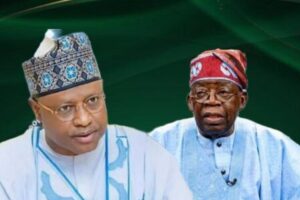




Syria’s President Ahmad al-Sharaa, the country’s top political leader and a central figure in the Syrian political landscape for decades, arrived in the United States today for a carefully orchestrated series of high-level diplomatic meetings aimed at bolstering bilateral relations and addressing a range of pressing regional security concerns. Known for his long-standing involvement in Syrian governance, his adept handling of complex international negotiations, and his efforts to balance domestic priorities with international pressures, al-Sharaa’s visit represents one of the most significant and closely watched diplomatic engagements between Syria and the United States in recent years.
His arrival at Washington D.C.’s Reagan National Airport was met with official greetings from senior U.S. government representatives, signaling a mutual interest in dialogue and engagement despite decades of historical tension, geopolitical disputes, and differing policy approaches in the Middle East.
Syria’s President Ahmad al-Sharaa is slated to meet with senior U.S. officials, including members of the State Department, key figures from the National Security Council, and various foreign policy advisors tasked with managing Middle East affairs. These discussions are expected to cover a wide array of issues, ranging from counterterrorism cooperation, ongoing humanitarian crises, and refugee support programs, to broader regional security dynamics that have long shaped the strategic priorities of both nations.
Sources close to the diplomatic planning team indicate that economic cooperation, energy security, and infrastructure rebuilding in Syria will also feature prominently on the agenda, reflecting an understanding that sustainable peace and stability require not only political dialogue but also economic and developmental support.
Reports from Washington indicate that Syria’s President Ahmad al-Sharaa will participate in a series of think-tank discussions, policy briefings, and controlled media engagements designed to communicate Syria’s priorities and objectives in clear terms. These appearances are expected to serve multiple purposes: signaling Syria’s willingness to engage constructively, clarifying the country’s position on key international issues, and fostering an image of Syria as a pragmatic actor in regional politics. Analysts suggest that al-Sharaa’s engagement strategy will be deliberate, aimed at both reassuring U.S. policymakers of Syria’s commitment to dialogue and addressing domestic audiences back home, who are closely observing how the nation’s leadership navigates high-stakes international diplomacy.
Syria’s President Ahmad al-Sharaa’s visit also coincides with heightened international focus on the Middle East, including ongoing conflicts in neighboring countries, the presence of extremist groups, and the broader implications of foreign military interventions. His presence in Washington is therefore not only symbolic but highly substantive, representing a potential turning point in efforts to stabilize Syria and surrounding regions. Diplomatic sources have noted that the agenda has been carefully coordinated to balance transparency, strategic messaging, and tangible negotiation outcomes, ensuring that all parties involved—both in the U.S. and Syria—are fully aware of the stakes and opportunities presented by this historic visit.
Ahmad al-Sharaa: Public and International Reaction
Syria’s President Ahmad al-Sharaa’s arrival in the United States has elicited a wide spectrum of reactions from the international community, foreign policy experts, and the general public. Supporters of engagement have welcomed the visit as a much-needed step toward constructive dialogue, emphasizing that open communication between nations with a history of conflict is essential for reducing tensions and building trust over time. For many, the visit represents a rare opportunity to address long-standing issues through diplomacy rather than confrontation, signaling hope for more cooperative approaches to peace and security in the Middle East.
U.S.-based analysts and Middle East experts have highlighted that Syria’s President Ahmad al-Sharaa is a seasoned negotiator with decades of experience in navigating both domestic political challenges and international pressures. Observers suggest that al-Sharaa’s approach during this visit will likely be measured, cautious, and highly strategic, focused on achieving incremental but meaningful results. Analysts also note that Syria’s leadership will be acutely aware of the domestic political implications of this trip, including how it is perceived by Syrian citizens, opposition groups, and allied regional actors who are closely monitoring U.S.-Syria relations.
Meanwhile, social media platforms have been abuzz with discussion regarding the implications of Syria’s President Ahmad al-Sharaa’s visit. Posts, tweets, and online commentary reflect a diverse range of opinions, from cautious optimism to skepticism and concern over potential concessions. Observers have highlighted that the visit’s success will be measured not only by the immediate outcomes of official meetings but also by how effectively Syria communicates its intentions and strategic priorities to both domestic and international audiences. This interplay of public perception, media coverage, and diplomatic negotiation underscores the complexity and high stakes of the visit.
International governments and regional organizations have also responded with interest and cautious optimism. Analysts note that al-Sharaa’s presence in the United States could set a precedent for future high-level engagements between Syria and Western nations, providing a framework for addressing conflicts, sanctions, and humanitarian concerns in a more structured and cooperative manner. Some foreign policy experts have argued that this visit may also influence broader regional alignments, potentially encouraging other nations to engage with Syria in pursuit of stability and peace-building initiatives.
Potential Outcomes and Future Implications
Syria’s President Ahmad al-Sharaa’s diplomatic engagements in Washington are expected to touch upon several strategic priorities, including regional stability, counterterrorism cooperation, humanitarian aid coordination, and the ongoing management of refugee flows. Experts suggest that even minor agreements reached during this visit could have long-term consequences for diplomatic relations, potentially influencing negotiations over sanctions relief, trade partnerships, and collaborative security frameworks in the Middle East. Each discussion point is anticipated to carry significant weight, as stakeholders evaluate both the immediate practical outcomes and the symbolic value of Syria’s engagement with the United States.
Energy cooperation, infrastructure rebuilding, and economic development are also expected to be significant topics of discussion. Analysts have indicated that Syria’s President Ahmad al-Sharaa could use the visit to secure international support for key projects, including energy supply stabilization, rebuilding hospitals and schools, and facilitating humanitarian relief programs in regions affected by ongoing conflict. Such initiatives could serve as tangible measures of progress, providing both Syria and the international community with evidence of cooperative outcomes that benefit civilian populations.
For now, Syria’s President Ahmad al-Sharaa remains the focal point of what is being described as a “pivotal diplomatic engagement” in Washington. His approach, messaging, and negotiation outcomes are anticipated to have far-reaching implications for U.S.-Syria relations and the broader geopolitics of the Middle East. Observers are watching closely, recognizing that the effectiveness of this visit could set the tone for future dialogues, influence regional alliances, and shape the trajectory of Syria’s international positioning for years to come.
The success or challenges of Syria’s President Ahmad al-Sharaa’s visit will likely be assessed not only by formal agreements or statements but also by the broader perception of the visit in international media, policy circles, and public discourse. With each interaction and statement carefully scrutinized, the visit underscores the complexity of modern diplomacy, where symbolic gestures, media framing, and substantive negotiations all intersect to influence outcomes. Ultimately, this diplomatic engagement may define a new chapter in U.S.-Syria relations, highlighting the delicate balance between dialogue, accountability, and strategic interest in one of the world’s most politically sensitive regions.
Table of Contents
Discover more from OGM News NG
Subscribe to get the latest posts sent to your email.