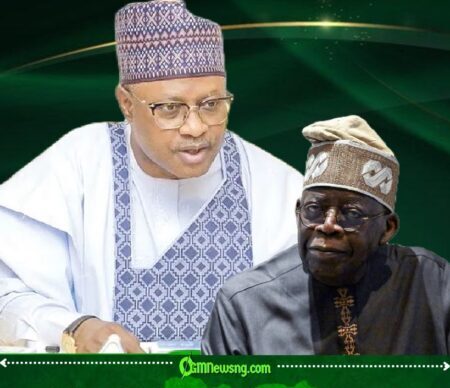









David Umahi, the Minister of Works, has stirred nationwide debate after revealing that the ongoing Lagos–Calabar Coastal Highway project costs a staggering ₦7.5 billion per kilometer. The disclosure comes amid mounting criticism from opposition figures, civil society groups, and economic analysts questioning the transparency and justification of the project’s cost. According to Umahi, the figure reflects not just road construction but also extensive coastal protection works, drainage systems, and the use of advanced engineering technologies to withstand erosion and flooding along the shoreline.
David Umahi, while addressing journalists in Abuja, maintained that critics fail to understand the scale and sophistication of the project. He emphasized that the 700-kilometer superhighway, connecting Lagos to Cross River, is one of the most ambitious infrastructure undertakings in Africa and will redefine coastal transportation and tourism. The project, according to him, is being executed in phases under a Public-Private Partnership (PPP) model, with the federal government ensuring that standards meet international benchmarks.
David Umahi also insisted that contrary to public suspicion, the project’s procurement and costing process were subjected to due diligence and financial scrutiny. He argued that inflation, global price hikes of construction materials, and the coastal nature of the terrain make the ₦7.5 billion per kilometer estimate realistic. However, this revelation has sparked controversy, with some Nigerians calling for an independent audit to ensure value for money in the administration’s mega-projects.
David Umahi Insists Lagos–Calabar Highway Will Transform Nigeria’s Economy
David Umahi has described the Lagos–Calabar Coastal Highway as a catalyst for economic expansion, trade connectivity, and regional integration across Nigeria’s southern belt. He stated that the project would not only open up the coastline to investors but also stimulate the development of new industrial zones, logistics parks, and tourism destinations. Umahi added that thousands of direct and indirect jobs would be created through construction and post-completion commercial activities.
David Umahi further explained that the highway is designed to support heavy-duty transport and enhance port connectivity, linking major economic hubs such as Lagos, Delta, Rivers, Akwa Ibom, and Cross River States. The project, when completed, is expected to cut travel time drastically, improve cargo flow efficiency, and reduce vehicle maintenance costs. He emphasized that the benefits outweigh the costs, noting that long-term gains in trade, housing, and logistics will far exceed initial expenditures.
David Umahi reaffirmed that President Bola Tinubu’s administration remains committed to infrastructure-led growth, stressing that the Lagos–Calabar Coastal Highway aligns with the Renewed Hope Agenda’s drive to modernize Nigeria’s transportation system. He noted that the government’s focus is not just on roads but on strategic projects that yield sustainable economic returns. Still, several policy analysts argue that such high-cost ventures demand transparent implementation to avoid becoming another white-elephant project.
David Umahi Responds to Critics, Says Engineering Complexity Justifies High Cost
David Umahi fired back at critics who questioned his professional competence and the justification for the highway’s cost. In a direct response to Oyo State Governor Seyi Makinde’s comment comparing the Lagos–Calabar project with state-level road construction, Umahi remarked that Makinde, being “an elect-elect engineer,” lacks the technical expertise to comprehend the complexity of coastal engineering. His statement has since gone viral, sparking heated political exchanges across social media.
David Umahi explained that coastal road construction requires special foundation treatments, advanced drainage channels, and concrete pavements built to withstand saline intrusion and wave action — factors that exponentially increase costs. He cited similar projects in Dubai, Singapore, and Malaysia, where per-kilometer costs surpass Nigeria’s benchmark due to similar environmental challenges. According to Umahi, such comparisons to standard asphalt roads are misleading and undermine the magnitude of the project’s engineering demands.
David Umahi concluded that his ministry will continue to uphold transparency and professionalism in project execution while welcoming constructive criticism grounded in facts and technical understanding. He called on Nigerians to be patient and trust the process, assuring that every naira spent would reflect in tangible progress and durable infrastructure. Nevertheless, the controversy lingers, with opposition leaders calling for public disclosure of all contract details and cost breakdowns for full accountability.
Table of Contents
Discover more from OGM News NG
Subscribe to get the latest posts sent to your email.