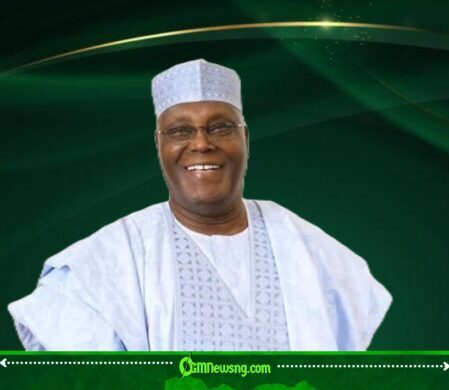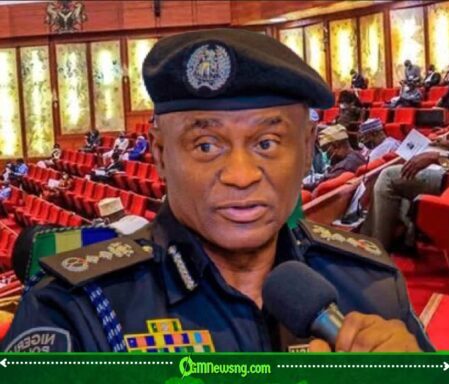





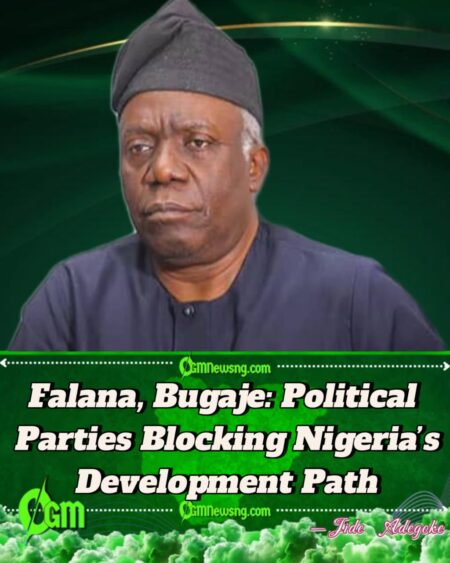
Nigeria Political Parties was jointly criticized by human rights lawyer Femi Falana (SAN) and former federal lawmaker Usman Bugaje, accusing them of slowing down the country’s growth and preventing citizens from fully benefiting from its abundant human and natural resources. Speaking during a televised public discourse monitored on News Central via X, both leaders lamented that, 65 years after independence, Nigeria’s governance still lacks vision because political parties have failed to provide clear ideological direction and sustainable leadership.
Lack of Ideological Foundation in Political Parties
Nigeria political parties stalling begins with their absence of a strong ideological base, according to Falana, who argued that the country’s dominant political groups operate more like electoral machines than platforms for nation-building. He noted that while other democracies thrive on ideological clarity—whether rooted in social welfare, liberalism, or conservative principles—Nigerian parties merely rally around individuals and elections without offering the electorate clear governance blueprints.
Nigeria political parties stalling begins further, Bugaje added, with the recycling of politicians who move across party lines without policy differences, weakening citizens’ trust in governance. He stressed that this lack of ideological consistency has entrenched short-term thinking, leaving long-term development plans neglected. Both speakers agreed that until political parties anchor themselves on philosophies that prioritize national interest over personal ambition, progress will remain elusive.
Governance Failure Despite Abundant Resources
Nigeria political parties stalling begins, Falana argued, with the inability of leaders to properly harness the country’s vast human and natural resources for the common good. He emphasized that Nigeria, blessed with oil, gas, fertile land, and a youthful population, continues to struggle with poverty, unemployment, and infrastructural decay because political parties have not built strong governance structures.
Nigeria political parties stalling begins, Bugaje noted, with the absence of accountability mechanisms. He stressed that party leaders often capture state resources to reward loyalists instead of implementing policies that address the needs of citizens. According to him, without strengthening institutions and restructuring political parties to embrace internal democracy, the resources that should transform the country will continue to benefit only a few elites.
Call for Reforms and Citizen Awareness
Nigeria political parties stalling begins, Falana advised, with the failure of citizens to demand accountability from their representatives. He urged Nigerians to shift focus from personalities to policies, stressing that political parties must be pressured into producing manifestos that are measurable and enforceable. For him, national progress cannot be achieved if politics remains transactional rather than transformational.
Nigeria political parties stalling begins, Bugaje concluded, with the reluctance of leaders to embrace reform. He called for urgent restructuring of the political system to empower citizens, deepen participation, and make elections more about competence and ideas rather than money politics. Both leaders emphasized that without such reforms, the promise of Nigeria’s independence would remain unfulfilled even decades to come.
Table of Contents
Discover more from OGM News NG
Subscribe to get the latest posts sent to your email.