









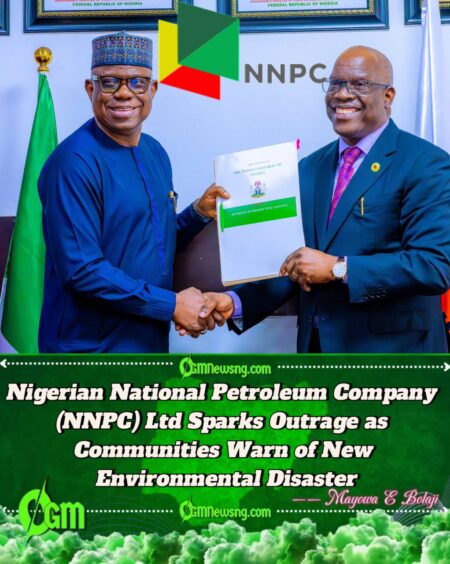
The Nigerian National Petroleum Company (NNPC) Ltd has entered a groundbreaking Production Sharing Contract (PSC) with the TotalEnergies–Sapetro Consortium for Petroleum Prospecting Licences (PPLs) 2000 and 2001. This agreement is the first to comprehensively cover both crude oil and natural gas exploration and production in Nigeria, marking a historic shift in the nation’s petroleum landscape.
The NNPC Ltd described the contract as a strategic move designed to boost investment confidence, strengthen Nigeria’s upstream oil and gas capacity, and ensure a steady inflow of foreign exchange. Yet, critics argue that while the signing looks promising on paper, the country’s history of resource mismanagement raises fears of another cycle of missed opportunities.
National Pride or Corporate Monopoly?
The Nigerian National Petroleum Company (NNPC) Ltd insists the agreement will deliver mutual benefits to the Nigerian government, the consortium partners, and citizens who rely on energy for economic growth. According to officials, the deal will unlock hidden reserves and diversify revenue sources, strengthening Nigeria’s position as a leading energy hub in Africa.
However, analysts warn that the contract may deepen Nigeria’s over-reliance on foreign corporations in critical sectors. TotalEnergies and Sapetro’s influence could tilt resource control away from local communities, sparking debates about whether Nigeria is truly in control of its oil destiny or merely leasing it out under glossy agreements.
Transparency Questions Loom Large
The Nigerian National Petroleum Company (NNPC) Ltd has promised that the Production Sharing Contract will operate under global best practices, with provisions for transparency, accountability, and environmental stewardship. The company claims that lessons learned from past contracts have been integrated into this new framework.
Still, civil society groups and industry watchdogs are skeptical, citing Nigeria’s long-standing challenges with corruption in the petroleum sector. They argue that without a robust monitoring framework, the new deal could end up as another opaque arrangement where revenues disappear without tangible impact on citizens’ lives.
Environmental Stakes and Community Impact
The Nigerian National Petroleum Company (NNPC) Ltd highlighted that the contract includes measures to reduce gas flaring and adopt cleaner exploration techniques. Officials say this approach aligns with Nigeria’s climate commitments under the Paris Agreement and could help mitigate the environmental degradation associated with oil drilling.
Yet, residents of oil-producing regions fear that promises of environmental protection often remain empty. The Niger Delta still bears scars from decades of oil spills, deforestation, and polluted waterways. Community leaders have already demanded assurances that this deal will not add to the suffering of people whose lands are exploited but rarely compensated.
Economic Prospects Amid Global Energy Transition
The Nigerian National Petroleum Company (NNPC) Ltd projects that the deal will yield billions of dollars in investments, stimulate job creation, and provide a platform for expanding Nigeria’s gas exports. With global markets shifting toward cleaner energy, officials argue that natural gas remains Nigeria’s best bet for staying relevant in the new energy order.
On the flip side, experts caution that tying Nigeria’s future too tightly to fossil fuels may be risky. With the world accelerating towards renewable energy, Nigeria risks being left behind if it does not strike a balance between exploiting hydrocarbons and investing in solar, wind, and other sustainable resources.
Political Undertones and Public Reactions
The Nigerian National Petroleum Company (NNPC) Ltd has framed the signing as a triumph for the administration’s economic reform agenda, portraying it as evidence that Nigeria is open for business and capable of attracting multinational investments. Officials insist that the deal reflects a new era of trust between Nigeria and global energy players.
But the political undertones cannot be ignored. Some opposition figures allege that the agreement was rushed to score political points, while others believe it could spark tensions over revenue-sharing formulas between federal and state governments. Public reactions remain divided—while some celebrate the deal as a step forward, others view it as a controversial gamble with Nigeria’s most valuable resource.
Table of Contents
Discover more from OGM News NG
Subscribe to get the latest posts sent to your email.