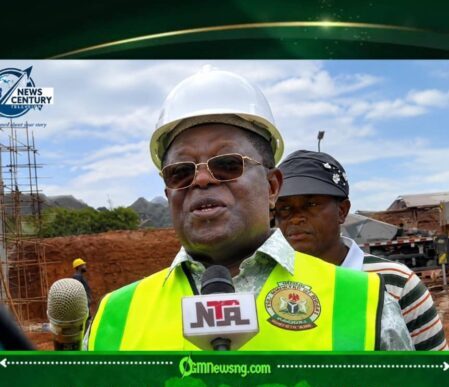






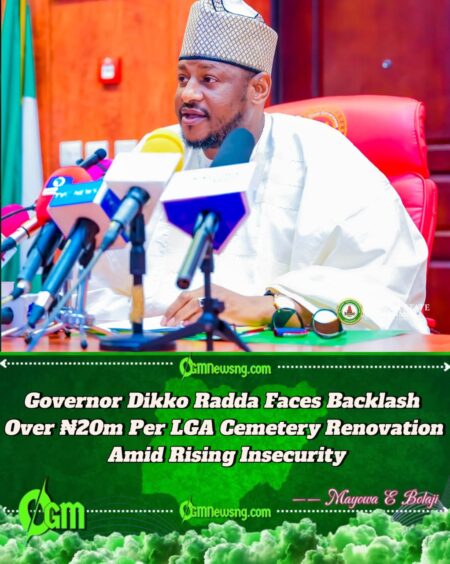
Governor Dikko Radda has approved ₦20 million for each of Katsina’s 34 Local Government Areas to renovate graveyards, amounting to a total of over ₦680 million. The announcement, which followed a state executive council meeting, has stirred controversy across the state, dividing opinion between admiration for cultural preservation and outrage over budgetary priorities.
Governor Radda’s directive is being interpreted differently by citizens. While some argue that graveyards have long been neglected and deserve proper fencing and maintenance, others believe such a huge amount should be directed toward tackling insecurity, unemployment, and collapsing healthcare systems in Katsina.
Dikko Radda Faces Criticism Over Spending Priorities
Governor Radda is being criticized by civil society groups and activists who argue that the allocation is a misplacement of priority. They point to the harsh economic realities in the state, where thousands of children are out of school and many hospitals lack essential equipment. To them, spending nearly ₦700 million on cemeteries amounts to abandoning the living for the dead.
Governor Radda, however, has maintained that the funds are intended to restore dignity and sanctity to graveyards, which have been left in deplorable conditions for years. He insists that the move is a cultural and religious necessity, one that reflects Katsina’s values of respect for the departed.
Dikko Radda Sparks Social Media Storm
Governor Radda’s decision has also triggered a storm on social media, where hashtags like #GraveyardBudget and #KatsinaPriorities have gained traction. Many Nigerians online described the move as insensitive and tone-deaf at a time when banditry and economic hardship are ravaging the state.
Governor Radda is now under pressure from citizens demanding transparency in how the ₦20 million per LGA will be spent. Critics fear the funds could be lost to inflated contracts or ghost projects, further deepening mistrust between the government and the people.
Dikko Radda Wins Support from Clerics and Traditional Rulers
Governor Radda’s initiative, however, has not been without defenders. Several Islamic clerics and traditional rulers in Katsina have applauded the decision, stressing that Islam emphasizes the importance of preserving burial grounds. They argue that the Governor’s gesture is both timely and spiritually commendable.
Governor Radda’s move is seen by these religious figures as restoring respect for the dead, ensuring cemeteries remain clean and accessible for funeral rites. But some younger clerics have warned that Islam also demands equal attention to the welfare of the living, questioning whether the budgetary emphasis truly aligns with religious balance.
Dikko Radda Accused of Playing Politics with Cemeteries
Governor Radda has also been accused of using the graveyard renovation project for political ends. Analysts suggest that the move may be an attempt to appeal to religious and cultural sentiments while avoiding the tougher issues of insecurity, poverty, and infrastructural decay.
Governor Radda’s critics in the opposition allege that the project is a calculated ploy ahead of future elections, aimed at winning public sympathy. They insist that investing in human capital development, rather than symbolic gestures, should be the government’s priority in a state struggling with multiple crises.
Dikko Radda Leaves Katsina Citizens Asking Bigger Questions
Governor Radda’s ₦20 million graveyard renovation policy leaves residents with deeper questions about governance priorities in Katsina State. Should scarce resources be spent on the welfare of the dead, or should the government prioritize urgent issues like hospitals, schools, and security?
Governor Radda has defended his stance as both symbolic and practical, promising transparency in the execution of the projects. Yet, citizens remain watchful, waiting to see whether the money will produce visible results or become another example of questionable government spending in Nigeria.
Table of Contents
Discover more from OGM News NG
Subscribe to get the latest posts sent to your email.