








The African Democratic Congress (ADC) emerged as a beacon of hope for Nigeria’s opposition landscape following the launch of a new coalition movement in Abuja on March 20, 2024. This ambitious initiative brought together prominent political figures determined to forge a united front capable of challenging President Bola Tinubu’s administration in the 2027 general elections. The coalition immediately triggered nationwide debates about the prospects of a consolidated opposition that could effectively compete with the ruling All Progressives Congress (AP
After weeks of intensive consultations and strategic planning, former Vice President Atiku Abubakar, former Anambra State Governor Peter Obi, ex-Kaduna State Governor Nasir El-Rufai, and former Rivers State Governor Rotimi Amaechi convened in Abuja on July 1 to formally adopt the ADC as their coalition’s political platform. The gathering represented a significant moment in Nigerian politics, as these heavyweight opposition figures publicly pledged their support for the party under the interim leadership of Senator David Mark as National Chairman and former Osun State Governor Rauf Aregbesola as National Secretary.
The coalition’s formation was hailed as a potential game-changer in Nigerian politics, with supporters expressing optimism that the combined political weight and experience of these leaders could mount a credible challenge to the incumbent administration. The timing seemed particularly strategic, given the various challenges facing the current government and the apparent appetite among Nigerians for political alternatives.
Key Figures’ Reluctance to Formalize Their Membership Of ADC
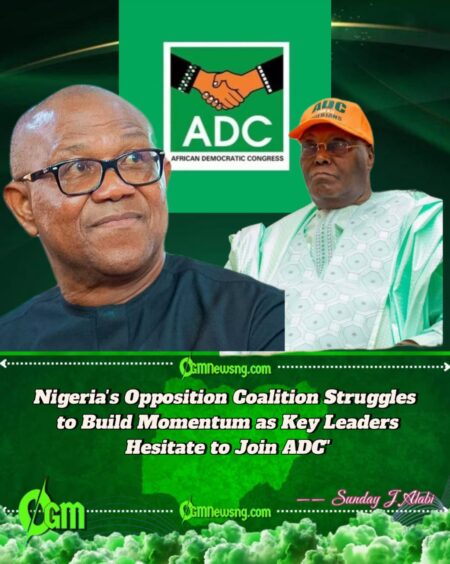
Despite the public fanfare and solemn pledges made during the coalition’s formation, the anticipated membership of key political figures has failed to materialize, creating internal uncertainty within the ADC leadership. Atiku Abubakar, who dramatically left the Peoples Democratic Party (PDP) over a month ago amid significant political fanfare, remains without formal party affiliation and has yet to register with the ADC. This development has surprised many political observers who expected his swift transition to the coalition party following his public endorsement.
Similarly, Peter Obi has maintained his distance from formal ADC membership, even as his Labour Party continues to be plagued by deepening internal crises and factional disputes. The former Anambra governor’s hesitation is particularly concerning for coalition leaders, given his significant following among younger Nigerians and his strong performance in the 2023 presidential election. His delay in formalizing membership has created a ripple effect, with many of his supporters adopting a wait-and-see approach before committing to the ADC.
According to credible sources within the coalition who spoke on condition of anonymity, this reluctance by high-profile figures has created a domino effect throughout the political landscape. Many potential members and supporters are hesitant to join the ADC while waiting for these political heavyweights to make their positions clear, significantly hampering the party’s ability to build momentum and expand its membership base across the country.
Internal Concerns and Organizational Challenges
Internal sources within the ADC have revealed growing anxiety among party leadership over the stalled membership processes of key coalition figures. A high-ranking party member disclosed that National Working Committee (NWC) members are “seriously worried and concerned” about the situation, as it directly affects the party’s ability to gather the necessary momentum for the 2027 electoral challenge. The source emphasized that many Nigerians, particularly politicians who were expected to join the ADC following the coalition announcement, remain uncommitted due to the uncertainty surrounding Atiku and Obi’s membership status.
The organizational challenges extend beyond membership concerns to encompass broader structural issues within the party. Coalition leaders have acknowledged that the absence of these prominent figures has implications for resource mobilization, as their membership would likely attract significant financial support and human resources necessary for building robust party structures nationwide. The current leadership under Senator David Mark is reportedly struggling to maintain party operations while dealing with these fundamental challenges.
Furthermore, the delay in formalizing key memberships has affected the party’s ability to fulfill its opposition role effectively. Sources indicate that with proper leadership and membership structure in place, the ADC would be better positioned to hold the government accountable and present itself as a credible alternative to Nigerian voters. The current uncertainty has limited the party’s public engagement and policy advocacy efforts, potentially weakening its position as the 2027 elections approach.
Legal and Regulatory Hurdles
The ADC’s growth trajectory has been further complicated by regulatory challenges involving the Independent National Electoral Commission (INEC) and ongoing legal disputes. Coalition sources have disclosed that INEC’s delayed recognition of Senator David Mark’s leadership has created procedural bottlenecks that hinder the party’s operational capacity and formal activities. This bureaucratic challenge has implications for the party’s ability to participate fully in electoral processes and maintain its legal standing as a registered political entity.
Legal complications have emerged as another significant obstacle, with coalition leaders alleging that the current government is sponsoring litigation designed to undermine their efforts. These court cases, while expected to be eventually resolved in the coalition’s favor, have created additional uncertainty and consumed resources that could otherwise be dedicated to party building and electoral preparation. The legal challenges have also contributed to a more cautious approach among potential members who prefer to wait for clearer resolution of these disputes.
Despite these challenges, coalition leaders maintain confidence in their ability to overcome the regulatory and legal hurdles. They emphasize that the ADC remains a “formidable party” capable of challenging President Tinubu in 2027, regardless of the current procedural difficulties. The party’s legal team is reportedly working diligently to resolve all outstanding issues with INEC and address the pending litigation that has created additional complications for the coalition’s operations.
Official Response and Future Prospects
ADC National Publicity Secretary Bolaji Abdullahi has categorically dismissed suggestions of internal uncertainty, maintaining that the party remains “firmly on track” despite external perceptions of instability. In his response to media inquiries, Abdullahi emphasized that both Atiku and Obi remain “very much with the coalition” and suggested that concerns about their delayed membership are unfounded. He stressed that party operations continue as planned, with structures being established across the country in preparation for future electoral challenges.
Regarding the membership timeline, Abdullahi indicated that “there is always time for everything” and suggested that not all party activities need to be conducted in the public domain. This statement appears designed to reassure supporters while acknowledging that the membership formalization process may take longer than initially anticipated. The party spokesperson also highlighted ongoing organizational activities, including the establishment of party structures in various states and preparation for upcoming elections such as the February FCT election.
Paul Ibe, Atiku’s media aide, has provided assurance that the former Vice President remains committed to the coalition arrangement and has begun the process of ADC membership. Ibe characterized suggestions that Atiku might leave the coalition as “propaganda” and emphasized that registration is part of an ongoing process that will be completed “at the right time.” This statement, while providing some reassurance to coalition supporters, also acknowledges the procedural nature of the membership process and suggests that formal registration may still take some time to complete.
Discover more from OGM News NG
Subscribe to get the latest posts sent to your email.