


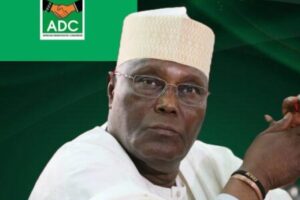




The African Democratic Congress (ADC) has lashed out at the Tinubu-led administration over the National Assembly’s approval of a fresh $21 billion in foreign loans, describing the move as “fiscal vandalism” and a grave danger to Nigeria’s economic future. In a statement released by its National Publicity Secretary, Mallam Bolaji Abdullahi, the opposition party condemned what it termed a reckless borrowing spree that could push the country’s total public debt beyond ₦200 trillion by year-end.
The ADC expressed alarm that despite the increasing debt burden, Nigeria has little to show in terms of economic revival or tangible infrastructural development. The party argued that continued borrowing without transparency, accountability, or a credible repayment plan amounts to mortgaging the country’s future for short-term fixes. “We are speeding toward a financial cliff, and those in charge seem to have no brakes,” the statement warned.
Tinubu Accused of Outpacing Buhari in Unsustainable Borrowing
Comparing the current administration to its predecessor, the ADC accused President Bola Tinubu of exceeding even former President Muhammadu Buhari’s widely criticized borrowing record. According to the party, under Buhari, Nigeria borrowed an average of ₦4.7 trillion per year, while Tinubu’s government has now increased annual borrowing to a staggering ₦49.8 trillion.
The party dismissed attempts to justify the loans using dollar-denominated figures, stating that such arguments collapse when analyzed through the lens of the rapidly devaluing naira. “Supporters of this government argue that Tinubu is borrowing less in dollar terms, but when converted to naira, it translates to over ₦25.5 trillion annually—far more than Buhari’s ₦2.2 trillion yearly average,” the statement asserted. It further warned that Nigeria was becoming trapped in a cycle of debt, worsened by poor monetary policies and a collapsing currency.
Debt Explosion Without Development: ADC Questions Loan Utilization
The ADC highlighted that since the All Progressives Congress (APC) assumed power in 2015, Nigeria’s total debt has ballooned from ₦12.6 trillion to over ₦149 trillion in 2025. With the new $21 billion loan pushing foreign debt toward $67 billion, the party questioned the effectiveness and transparency of these borrowings. “This is nearly twelve times what we owed a decade ago. Our debt to the World Bank has tripled, and Eurobond liabilities have risen elevenfold,” the party noted.
Despite the increasing debt, ADC lamented the continued decay in critical sectors such as education, healthcare, and power. “Universities are underfunded, hospitals ill-equipped, electricity supply remains epileptic. So, what exactly are these loans used for?” the statement queried. The party emphasized that Nigerians deserve answers, not more debt, and warned that the country’s children will be saddled with the repayment of loans from which they have derived no benefit.
Rubber Stamp National Assembly Under Fire
Beyond the presidency, the ADC took aim at the National Assembly, accusing lawmakers of abandoning their constitutional duty to protect Nigerians from poor fiscal decisions. According to the party, the legislature has become nothing more than a rubber stamp for the executive, routinely approving massive loans without scrutiny or resistance.
“The National Assembly continues to approve these loans without asking the hard questions, without demanding a repayment plan, and without standing up for the Nigerian people,” the ADC stated. The party argued that a responsible parliament should insist on transparency, assess the necessity of each loan, and ensure that borrowing is tied to visible, productive outcomes that benefit the general populace.
Small Businesses Sound the Alarm as Debt Threatens Economy
Backing ADC’s stance, the Association of Small Business Owners of Nigeria also voiced concern about the impact of mounting debt on the economy. The group noted that excessive government borrowing is already exerting pressure on inflation, interest rates, and currency stability, thereby crippling the very sector that should drive job creation and national productivity.
“The cost of Tinubu’s borrowing is already crushing the very backbone of our economy,” the statement quoted the association as saying. With rising costs, dwindling investment, and a weakened naira, small and medium enterprises—the lifeblood of Nigeria’s economy—are being squeezed out of business. The ADC called on Nigerians to demand accountability and insist on better fiscal governance before the country is plunged further into avoidable economic distress.
Table of Contents
Discover more from OGM News NG
Subscribe to get the latest posts sent to your email.