







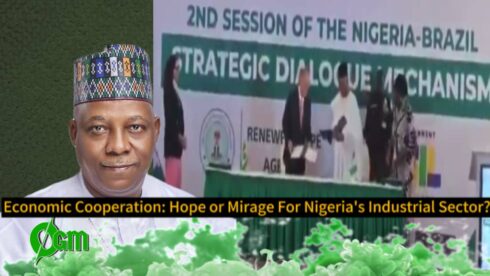
Kashim Shettima, Vice President of Nigeria, ignited a diplomatic stir during the Nigeria–Brazil Strategic Dialogue Mechanism held in Abuja by affirming that South-South cooperation is no longer a diplomatic luxury but a developmental necessity. Speaking alongside his Brazilian counterpart, Geraldo Alckmin, Shettima emphasized that the new agreements symbolize a break from post-colonial dependency and mark a pivot toward strategic autonomy.
According to Kashim Shettima, the MoUs inked between Nigeria and Brazil signal a paradigm shift in how emerging economies relate. “We are reimagining our place in global politics—not as aid recipients, but as co-creators of global prosperity,” he declared, receiving a standing ovation from top Nigerian governors and diplomats from both nations.
Defense Pact with Brazil Raises Eyebrows over Regional Security Control
Kashim Shettima announced a groundbreaking defense collaboration, asserting that Nigeria is “no longer comfortable outsourcing its security architecture to former colonial overlords.” The MoU signed includes joint military training, equipment acquisition, and intelligence-sharing with Brazil—a move many geopolitical analysts view as a direct snub to traditional Western allies.
Critics, however, argue that aligning militarily with Brazil may entangle Nigeria in South American geopolitics unnecessarily. Some defense insiders fear that the deal, while innovative, lacks the regional security consensus needed to avoid backlash from ECOWAS members already wary of Nigeria’s growing assertiveness in West Africa.
Economic Cooperation: Hope or Mirage for Nigeria’s Industrial Sector?
Kashim Shettima stated that economic revival must be backed by bilateral strength, not unilateral expectations. Under the MoU, Nigeria and Brazil are set to launch joint ventures in agro-processing, automobile assembly, and digital banking. Shettima believes this is the antidote to Nigeria’s import dependency and industrial stagnation.
Yet economists remain divided. While some hail the move as visionary, others say the agreement lacks specificity, especially on local job creation, technology transfer, and sustainability metrics. Critics warn the deal might mirror previous failed partnerships if not vigilantly monitored and transparently executed.
Energy Deal with Brazil Sparks Oil Sector Controversy
In a moment charged with both excitement and skepticism, Kashim Shettima disclosed that Nigeria has entered into a bilateral energy pact with Brazil focusing on renewables, biofuels, and sustainable mining practices. “This is not a PR exercise—this is a down payment on the future,” Shettima declared.
However, oil industry stakeholders are nervous. Some see the move as undermining existing commitments with Western energy giants. Others question whether Nigeria’s regulatory infrastructure is robust enough to manage competing energy agendas without further complicating its already murky petroleum sector.
Healthcare MoU Draws Praise, But Raises Accountability Concerns
Kashim Shettima described the healthcare agreement as “a humanitarian bridge” between Nigeria and Brazil. The pact includes pharmaceutical research exchange programs, tropical disease research, and health infrastructure development—a vital need given Nigeria’s overstretched medical system.
But public health advocates are cautious. While the agreement sounds promising on paper, they fear that it may become another unfulfilled promise if government agencies don’t ensure transparency, local capacity building, and fair allocation of benefits to underserved communities.
Cultural Ties or Political Optics? Shettima Defends MoU on Heritage Exchange
Kashim Shettima defended the cultural cooperation MoU as a key pillar of “soft power diplomacy,” enabling Nigeria and Brazil to celebrate their shared Afro-Brazilian heritage. Plans include joint festivals, academic exchanges, and preservation of slave-era historical sites linking both nations.
Skeptics, however, label the move as symbolic distraction from pressing economic issues. Critics argue that while heritage diplomacy is important, the Nigerian government should prioritize domestic cultural funding and preservation before engaging in bilateral showcases that may only benefit the elite.
Table of Contents
Discover more from OGM News NG
Subscribe to get the latest posts sent to your email.