

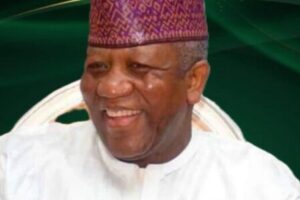





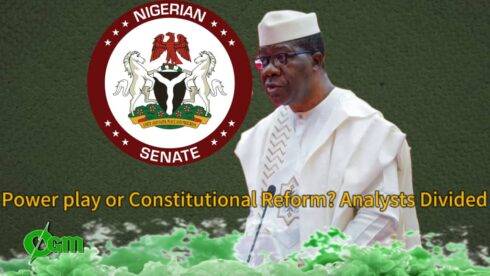
The Nigerian Senate is setting the stage for a historic shake-up in the nation’s political traditions. The upper chamber, led by Senate Leader Opeyemi Bamidele, has unveiled plans to relocate the presidential inauguration from the iconic Eagle Square to the National Assembly premises. This groundbreaking proposal is positioned to rewrite the ceremonial protocols that have defined Nigeria’s democratic transitions since 1999.
Speaking during an exclusive media briefing on Tuesday, Bamidele emphasized that this initiative is part of a broader legislative agenda aimed at strengthening the symbolic relationship between the executive and legislative arms of government. “The National Assembly is the people’s house. There’s no better place for the President to take the oath of office than where the people’s representatives are gathered,” he asserted.
June 12: From Symbolic Democracy Day to Institutionalized Presidential Address
The Nigerian Senate begins yet another significant legislative push by proposing a bill that would mandate an annual presidential address to the nation on June 12. Recognizing June 12 as a date of profound historical relevance — honoring the annulled 1993 presidential elections and Nigeria’s democratic struggles — the Senate believes this move would deepen national consciousness and democratic values.
Opeyemi Bamidele argued that the bill would elevate June 12 beyond its current status as Democracy Day into an official day of state accountability. “We are hoping to institutionalize June 12 as a statutory platform where the President addresses the nation through the parliament, providing a democratic report card directly to Nigerians,” he declared.
Controversy Brews Over Eagle Square’s Historical Significance
The Nigerian Senate begins to face growing criticism from various quarters who view the proposed relocation of the inauguration ceremony as an affront to Nigeria’s post-military democratic heritage. Eagle Square has long stood as a symbol of national unity and stability, having hosted every civilian presidential inauguration since the country returned to democracy in 1999.
Opponents argue that shifting the event to the National Assembly may erode the unifying ambiance of Eagle Square, which offers a neutral and inclusive atmosphere for all Nigerians. Civil society groups and political historians warn that politicizing the venue may deepen partisan divides rather than foster national cohesion.
Power Play or Constitutional Reform? Analysts Divided
The Nigerian Senate begins to walk a fine line between genuine institutional reform and what some critics are calling an unnecessary power play. Political analysts suggest that centralizing the inauguration within the legislature’s grounds could symbolically tilt the balance of power, subtly elevating the legislature’s status over the executive.
While some applaud the move as a legislative assertion of constitutional relevance, others suspect a hidden political motive aimed at fortifying the legislature’s leverage over the presidency. “There’s a difference between institutional synergy and symbolic overreach,” warned political analyst Dr. Chuka Nwosu, adding that such changes must be carefully examined to avoid constitutional conflicts.
Nigerian Senate Begins Budget Timeline Extension Talks Amid Legislative Activism
In addition to the inauguration and June 12 proposals, the Nigerian Senate begins crucial discussions on extending the 2024 budget implementation timeline, particularly focusing on capital expenditures. With many infrastructural projects behind schedule, the Senate believes that extending the timeline is essential to ensure full budgetary execution and avoid wasteful spending.
Senate Leader Bamidele stressed the importance of thorough fiscal evaluation: “We must sit down to assess the full implementation of the 2024 budget. Extending the capital expenditure window allows us to achieve complete utilization of allocated funds while preparing the groundwork for a fully executable 2025 budget.”
National Debate Intensifies as Senate Leadership Faces Public Scrutiny
The Nigerian Senate begins to face mounting public scrutiny as citizens, legal experts, and opposition parties voice concerns over the possible constitutional, symbolic, and practical implications of these sweeping proposals. Many are questioning whether the National Assembly is exceeding its legislative mandate by venturing into traditionally executive ceremonial functions.
As national debate intensifies, some fear these moves may trigger legal challenges that could test Nigeria’s constitutional framework. However, the Senate appears undeterred, insisting that these initiatives reflect a maturing democracy ready to align national rituals with evolving democratic ideals. “Our democracy must evolve. We are not undermining the executive; we are strengthening democratic accountability,” Bamidele concluded.
Table of Contents
Discover more from OGM News NG
Subscribe to get the latest posts sent to your email.