







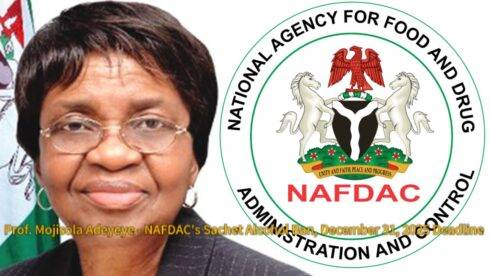
Prof. Mojisola Adeyeye, the Director-General of the National Agency for Food and Drug Administration and Control (NAFDAC), has officially declared that the ban on the production and sale of sachet and small-sized alcoholic beverages will take effect from December 31, 2025. According to her, this decision follows a comprehensive, multi-stakeholder engagement that began in 2018, aimed at addressing the alarming increase in alcohol abuse among Nigerian youths.
Prof. Mojisola Adeyeye stated during a press conference in Abuja that the targeted products include all alcoholic drinks packaged in sachets and PET bottles below 200ml. She emphasized that these formats have been widely abused, particularly by underage individuals, due to their affordability and discreet nature. The agency, she noted, is determined to enforce the ban fully and will not compromise on its public health objectives.
Prof. Mojisola Adeyeye Highlights Public Health Concerns Driving the Ban
Prof. Mojisola Adeyeye underscored the health implications of continued consumption of sachet alcohol, especially among school-aged children and young adults. She revealed that data from health experts and global studies indicate a significant correlation between early exposure to alcohol and long-term mental, behavioral, and physical health challenges. The unchecked availability of these cheap, high-proof beverages, she warned, poses a serious risk to national development.
Prof. Mojisola Adeyeye noted that the ban is part of a broader preventive strategy to curb substance abuse and reduce the burden of alcohol-induced diseases. She referenced reports linking sachet alcohol to increased cases of domestic violence, road accidents, and poor academic performance. By eliminating these products from circulation, NAFDAC aims to protect vulnerable demographics and foster a healthier society.
Prof. Mojisola Adeyeye Outlines Enforcement Framework and Stakeholder Collaboration
Prof. Mojisola Adeyeye announced that NAFDAC has developed a robust enforcement framework in collaboration with several government agencies, including the Nigeria Police Force, Federal Ministry of Health, Standards Organisation of Nigeria (SON), and the Federal Road Safety Corps (FRSC). This strategic alliance, she explained, will ensure consistent monitoring and strict enforcement of the ban nationwide.
Prof. Mojisola Adeyeye added that regulatory officers will be dispatched across all states to inspect manufacturing sites, confiscate illegal products, and prosecute violators. She warned that manufacturers and retailers who fail to comply with the ban would face sanctions such as heavy fines, product seizure, and revocation of operating licenses. NAFDAC, she assured, is fully equipped to carry out its mandate without fear or favor.
Prof. Mojisola Adeyeye Responds to Industry Concerns over Economic Impact
Prof. Mojisola Adeyeye acknowledged the growing concerns from beverage manufacturers and trade unions regarding the economic fallout of the ban. While some industry players have welcomed the initiative and begun adjusting their operations, others have expressed fears over potential job losses and revenue decline. She, however, reiterated that the health and safety of Nigerians far outweigh economic considerations.
Prof. Adeyeye encouraged affected companies to explore safer, compliant alternatives such as larger-volume packaging and the development of non-alcoholic beverage lines. She noted that NAFDAC is open to offering technical support and regulatory guidance to facilitate a smooth transition. The agency, she emphasized, will remain firm in its resolve to prioritize public health over profit margins.
Prof. Mojisola Adeyeye Leads National Awareness and Sensitization Campaigns
Prof. Mojisola Adeyeye announced the launch of a nationwide awareness campaign to educate Nigerians about the rationale behind the ban and its expected benefits. The campaign includes media outreach, town hall meetings, school programs, and collaborations with community leaders. She noted that NAFDAC is using every available platform to ensure that the message reaches urban and rural populations alike.
Prof. Mojisola Adeyeye explained that the agency is working with civil society organizations, youth groups, and religious institutions to deepen the impact of the campaign. She stressed the importance of public support in achieving successful implementation, urging Nigerians to see the ban not as a punitive measure, but as a life-saving intervention designed to secure the future of the nation’s youth.
Prof. Mojisola Adeyeye Predicts Long-Term Benefits of Sachet Alcohol Ban
Prof. Mojisola Adeyeye expressed confidence that the ban will trigger a paradigm shift in Nigeria’s approach to alcohol regulation and public health policy. She predicted that, over time, the removal of sachet alcohol from the market would lead to a decline in alcohol-related crimes, health complications, and social instability. The initiative, she said, is a critical step toward building a safer and more responsible society.
Prof. Adeyeye concluded that although initial resistance and adaptation challenges are expected, the long-term rewards far outweigh the short-term setbacks. She reaffirmed NAFDAC’s commitment to the full implementation of the policy and called on all stakeholders—including parents, educators, health professionals, and community leaders—to support the agency in this historic public health campaign.
Table of Contents
Discover more from OGM News NG
Subscribe to get the latest posts sent to your email.